
If your air conditioner isn’t cooling your home and you suspect it might be frozen, the most common signs are reduced or no airflow from your vents and the AC blowing warm air. You might also hear strange noises or see ice on the outdoor unit.
Experiencing a frozen air conditioner can be a frustrating and worrying problem, especially during hot weather. When your AC unit freezes up, it means ice has formed on its internal components, most commonly the evaporator coil. This ice buildup prevents the AC from properly cooling your home and can even lead to more serious damage if left unaddressed.
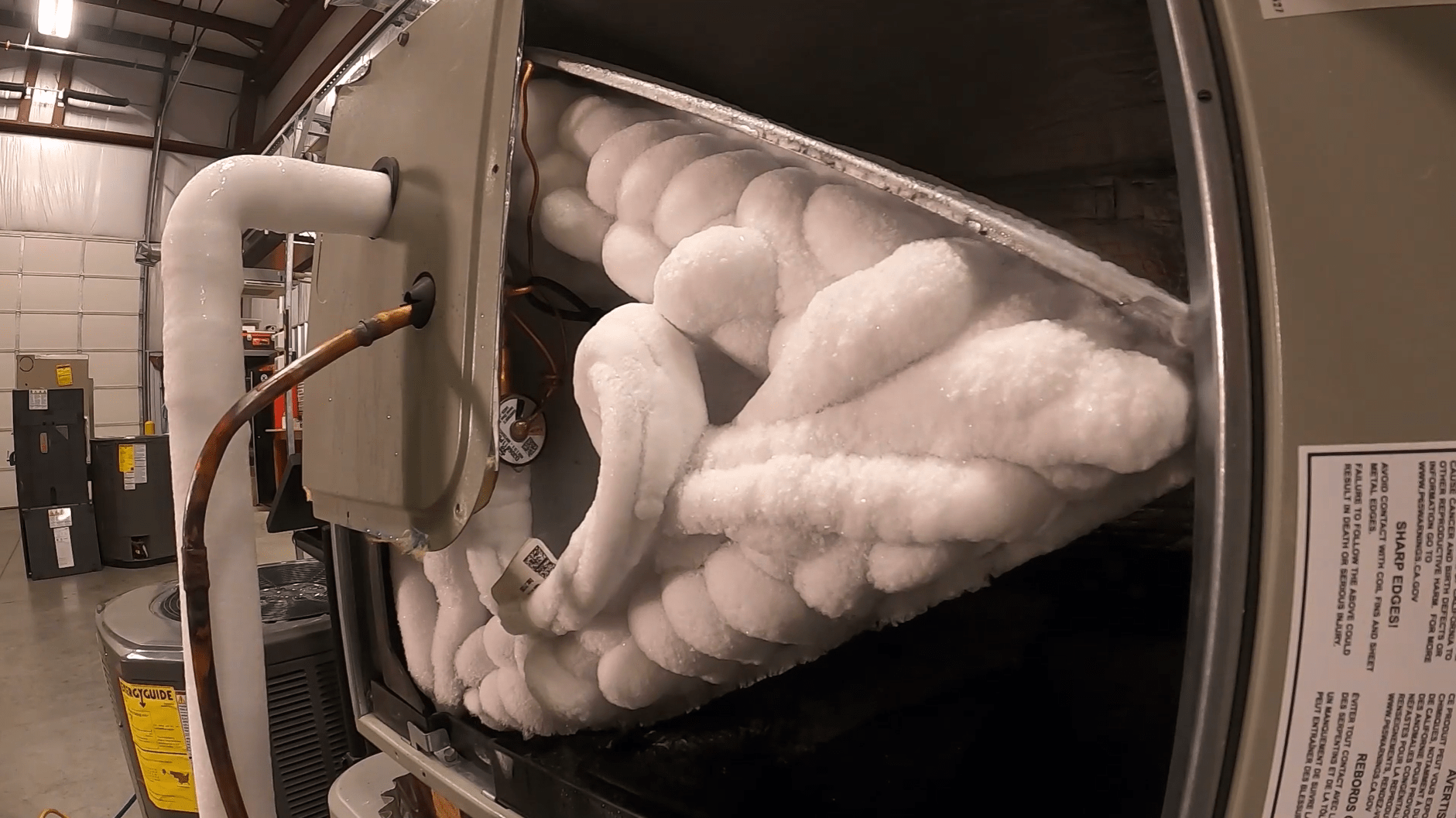
Image Source: gopaschal.com
Signs of a Frozen AC
Recognizing the early indicators that your air conditioner is frozen is crucial for preventing further damage and getting it fixed promptly. Several tell-tale signs can alert you to an AC unit ice problem.
Reduced or No Airflow
One of the most prominent signs that your AC is freezing up is a noticeable drop in the amount of air coming from your vents. If you feel only a weak breeze or no air at all, even when the AC is set to cool, it’s a strong indication of an issue. This happens because the ice buildup acts like a wall, blocking the normal flow of air through the system. You might notice this on a larger scale across all vents or more prominently from specific vents.
AC Blowing Warm Air
When your AC is supposed to be cooling your home but instead blows warm air, it’s a significant red flag. The core function of the evaporator coil is to absorb heat from your indoor air. If this coil is covered in ice, it cannot effectively perform this heat exchange. Consequently, the air passing over the frozen coil doesn’t get cooled and is instead blown into your rooms at room temperature or even warmer. This is a direct consequence of the AC not cooling as it should.
Visible Ice on the Unit
A very direct sign is spotting ice on your air conditioner. This ice can manifest in different ways:
- Frozen Evaporator Coil: This is the most common culprit. The evaporator coil is located inside your home, usually in the air handler or furnace. If you can access your indoor unit, look for a thick layer of frost or ice on the coil.
- Ice on AC Unit (Outdoor): While less common for the entire unit to be covered in ice unless there’s a severe external issue like freezing rain, you might see ice on the refrigerant lines connected to the outdoor unit (condenser). These lines carry the refrigerant back and forth between the indoor and outdoor components.
Strange Noises
A frozen AC can also make unusual sounds. You might hear:
- Hissing: This can sometimes indicate escaping refrigerant or air being forced through ice.
- Gurgling or Slurping: These noises might occur as melting ice flows through the system.
- Knocking or Banging: This could be the fan blades hitting ice buildup within the unit.
Puddles or Water Leaks
As the ice melts, it can overflow the condensate drain pan. If you notice a puddle of water near your indoor unit or water leaks from the unit itself, it’s a clear sign that something is wrong, and ice formation is a likely cause. The condensate drain is designed to remove moisture that condenses on the evaporator coil during normal operation, but excessive ice can overwhelm this system.
Increased Energy Bills
While not an immediate sign, if your AC is constantly running but not cooling effectively due to ice, it will consume more energy. You might notice a spike in your electricity bill without a corresponding improvement in your home’s comfort.
Deeper Dive into Causes of Frozen AC
Fathoming why your AC unit is frozen involves looking at a few key areas where problems commonly arise. These causes are interconnected and often result in the formation of ice on the frozen evaporator coil.
Low Refrigerant Levels
Refrigerant is the substance that circulates within your AC system, absorbing heat from your home and releasing it outside. When the refrigerant level drops, typically due to a leak, the pressure inside the system decreases. This lower pressure causes the refrigerant to get too cold, leading to the evaporator coil freezing over. This is a common cause of AC not cooling effectively.
How low refrigerant causes freezing:
- Pressure Drop: Refrigerant cycles through the system at specific pressures. A leak causes a loss of refrigerant, which in turn lowers the pressure in the evaporator coil.
- Boiling Point: Lower pressure means the refrigerant boils and vaporizes at a much lower temperature.
- Heat Absorption: As it circulates, the refrigerant absorbs heat from the indoor air. If it gets too cold due to low pressure, it will absorb heat so effectively that it draws the heat out of the metal of the evaporator coil itself, causing moisture in the air to freeze onto it.
Restricted Airflow
Proper airflow is essential for your air conditioner to function correctly. If the airflow over the evaporator coil is restricted, the coil cannot absorb heat efficiently. This imbalance causes the coil to drop below freezing, and any moisture present in the air will condense and freeze onto the coil. This is a primary reason for AC airflow blocked.
Common reasons for restricted airflow:
- Dirty Air Filter: This is the most frequent cause. A clogged air filter prevents air from passing through the system, starving the evaporator coil of warm air.
- Blocked Vents or Return Air Grilles: Furniture, curtains, or other objects obstructing these openings can significantly reduce airflow.
- Ductwork Issues: Collapsed, blocked, or poorly insulated ducts can also impede the free flow of air.
- Blower Fan Problems: If the blower fan motor is malfunctioning or running too slowly, it won’t move enough air.
Dirty Evaporator Coil
Just like a dirty air filter, a dirty evaporator coil itself can impede airflow and heat transfer. Dust, dirt, and debris accumulate on the coil’s fins, creating an insulating layer that prevents warm air from reaching the refrigerant. This leads to the same outcome as a dirty filter: the coil gets too cold and freezes.
Thermostat Issues
While less common, a malfunctioning thermostat can sometimes contribute to a frozen AC. If the thermostat incorrectly signals the AC to run continuously, even when the desired temperature is reached, it can lead to overcooling and freezing. Similarly, if the “fan” setting is set to “on” instead of “auto” during very cold outdoor temperatures, the indoor fan might not run sufficiently to prevent freezing.
Extremely Low Outdoor Temperatures
Air conditioners are designed to operate within a specific temperature range. Running your AC when outdoor temperatures are too low (generally below 60-65°F or 15-18°C) can cause the system to malfunction. The outdoor unit (condenser) might not be able to dissipate heat effectively, leading to a buildup of pressure and temperature within the system, which can cause the AC compressor freezing or other components to freeze.
Clogged Condensate Drain Line
The condensate drain line removes moisture that condenses on the evaporator coil. If this line becomes clogged with algae, mold, or debris, water will back up. While this typically leads to water leaks, in some extreme cases, it can contribute to a damp environment around the coil, potentially exacerbating freezing issues if other factors are also present.
Deciphering How to Fix a Frozen AC
If you’ve identified that your AC is frozen, the immediate priority is to thaw it out. Attempting to run a frozen AC can cause significant damage, particularly to the compressor.
Step 1: Turn Off the AC
The very first thing you should do is turn off the cooling mode on your thermostat. This stops the AC from trying to cool and potentially worsening the ice buildup.
Step 2: Turn On the Fan
To speed up the thawing process, switch your thermostat’s fan setting from “Auto” to “On.” This will circulate indoor air over the frozen coil without the compressor running, helping to melt the ice. Ensure your windows and doors are closed to prevent warm, humid outside air from entering and slowing down the process.
Step 3: Wait for Thawing
This can take several hours, depending on the extent of the ice buildup. Be patient. You can place towels or buckets around the indoor unit to catch any water from melting ice.
Step 4: Inspect and Clean
Once the unit has completely thawed, it’s time to identify the cause and perform necessary maintenance.
- Check the Air Filter: This is the most common culprit. If it’s dirty, replace it.
- Inspect the Evaporator Coil: If you can safely access it, check for dirt and debris. Gently clean it with a soft brush or a coil cleaner specifically designed for AC units.
- Clear Vents and Returns: Ensure all air vents and return grilles are unobstructed.
- Examine the Condensate Line: Check for blockages and clear them if necessary.
Step 5: Restart the AC
After you’ve addressed any obvious issues and ensured the unit is completely dry, you can turn the thermostat back to the “Cool” setting. Monitor the system to see if it’s now operating correctly and cooling your home.
When to Call a Professional
While some minor issues can be resolved with DIY steps, it’s essential to know when to call a qualified HVAC technician. If you’re unsure about any step, uncomfortable working with AC components, or if the problem persists after basic troubleshooting, professional help is necessary.
Reasons to call a technician:
- Suspected Refrigerant Leak: Low refrigerant levels indicate a leak, which requires specialized equipment and knowledge to repair and recharge the system. Refrigerant is a hazardous substance.
- Persistent Freezing: If your AC freezes up again shortly after thawing and basic maintenance, there’s likely an underlying issue that a professional needs to diagnose.
- Blower Motor Issues: If you suspect a problem with the fan or blower motor, this requires technical expertise.
- Electrical Problems: Any concerns about the AC’s electrical components should be handled by a professional.
- AC Compressor Freezing: If you suspect your AC compressor freezing, this is a serious issue that requires immediate professional attention, as compressor damage can be very expensive.
Preventive Maintenance for Your AC
The best way to avoid a frozen AC is through regular preventive maintenance. This proactive approach saves you from the discomfort and potential expense of a breakdown.
Regular Filter Replacement
- Frequency: Check your air filter monthly and replace it every 1-3 months, depending on the filter type and your household’s conditions (e.g., pets, allergies).
- Benefits: Ensures optimal airflow, improves indoor air quality, and prevents strain on the AC system.
Keep Outdoor Unit Clear
- Obstructions: Ensure the area around your outdoor condenser unit is clear of debris, plants, and anything that could block airflow (at least 2 feet of clearance).
- Cleaning: Periodically clean the fins of the outdoor unit gently with a hose to remove dirt and grime.
Schedule Annual Professional Tune-Ups
- Benefits: A qualified HVAC technician can perform a comprehensive inspection, including checking refrigerant levels, cleaning coils, inspecting electrical components, and identifying potential problems before they lead to a freeze-up.
- Timing: Schedule this service before the peak cooling season begins.
Monitor Your AC’s Performance
- Listen for unusual noises.
- Check for consistent airflow from vents.
- Notice any strange smells.
- Observe water collection around the indoor unit.
By being attentive to these details, you can catch potential issues early.
Frequently Asked Questions (FAQ)
Q1: Can I run my AC if it’s frozen?
No, you should not run your AC in cooling mode if it is frozen. This can damage the compressor, leading to expensive repairs. Turn off the cooling mode immediately.
Q2: How long does it take for an AC to thaw?
It can take anywhere from a few hours to 24 hours for a frozen AC to completely thaw. The duration depends on the severity of the ice buildup and whether you have the fan running to circulate air.
Q3: Is it bad if my AC is frozen?
Yes, a frozen AC is a sign of a problem and can lead to damage if not addressed. It prevents efficient cooling and can cause components to fail.
Q4: Can a dirty evaporator coil cause AC airflow blocked?
Yes, a dirty evaporator coil significantly restricts airflow because the dirt and debris act as a barrier, preventing air from passing through.
Q5: What is the most common cause of an AC freezing up?
The most common cause of an AC freezing up is restricted airflow, often due to a dirty air filter. Low refrigerant levels are another very common cause.
Q6: What should I do if I see ice on the outdoor AC unit?
Ice on the outdoor unit can be a sign of various issues, including problems with the refrigerant or outdoor fan motor. If you see ice on the outdoor unit, especially on the refrigerant lines, it’s best to turn off the AC and call a professional technician.
Q7: Can my AC compressor freezing up cause damage?
Yes, AC compressor freezing up is a serious issue. If ice forms around the compressor, it can prevent it from starting or cause it to ingest liquid refrigerant, which it cannot compress. This can lead to severe internal damage and costly repairs.
By staying informed and performing regular maintenance, you can keep your air conditioner running smoothly and avoid the common problem of a frozen unit. If you suspect your AC is frozen or if it’s not cooling effectively, take action promptly to prevent more significant issues.

My name is Carlos Gadd, and I am the creator of AirPurityGuide.com.. With a passion for footwear, I share my experiences, insights, and expertise about shoes. Through my blog, I aim to guide readers in making informed decisions, finding the perfect pair, and enhancing their footwear knowledge. Join me on this journey to explore everything about shoes!