
Getting rid of an old air conditioner involves several important steps, primarily focusing on safe Freon disposal, AC unit recycling, and proper HVAC disposal. Can you just throw it away? No, you generally cannot simply throw an old air conditioner in your regular trash due to environmental regulations regarding refrigerants like Freon. It’s often best to hire a junk removal service for easy appliance removal.
As your trusty home comfort system ages, it inevitably reaches a point where replacement becomes the smart choice. But what do you do with the old unit? Simply abandoning it on the curb is not an option. Old air conditioners contain various materials, including refrigerants and metals, that require specific handling for environmental safety and legal compliance. This guide will walk you through the best and most responsible ways to tackle appliance removal of your old AC unit.
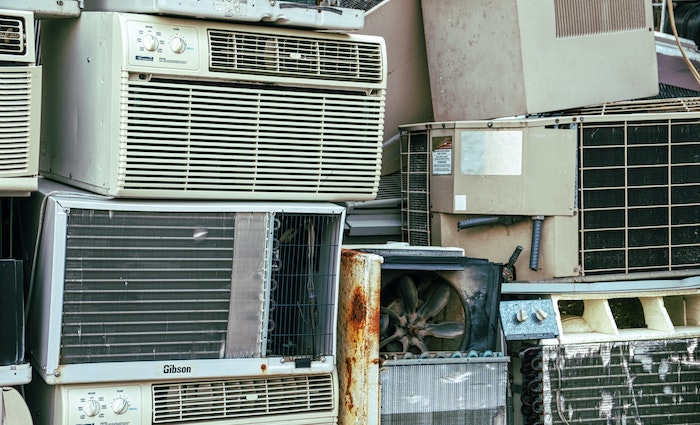
Image Source: goloadup.com
Why Proper Disposal Matters
Disposing of an old air conditioner improperly can lead to significant environmental harm and legal trouble. Here’s why it’s crucial to do it right:
Environmental Concerns
- Refrigerants: Old AC units often contain refrigerants like Freon (chlorofluorocarbons or hydrofluorocarbons). These chemicals can deplete the ozone layer and contribute to global warming if released into the atmosphere. Proper Freon disposal is mandated by law.
- Hazardous Materials: Beyond refrigerants, AC units can contain oils and other substances that are harmful if they leach into the soil or water.
- Landfill Burden: AC units are large items that take up valuable space in landfills. Many of their components can be recycled.
Legal Requirements
- Many local, state, and federal regulations govern the disposal of appliances, especially those containing refrigerants. Failure to comply can result in fines.
- When you hire a service, ensure they are equipped for licensed disposal and adhere to all environmental laws.
Resource Conservation
- Scrap Metal Recycling: Air conditioners are largely made of metals like copper, aluminum, and steel. These can be valuable resources that can be repurposed through scrap metal recycling, reducing the need to mine and process new materials.
- Component Reuse: Some internal components might be salvageable and can be reused in other systems.
Your Options for Removing an Old Air Conditioner
You have several avenues to explore when it comes to getting your old AC unit out of your home. Each has its own benefits, depending on your convenience, budget, and environmental priorities.
Option 1: Professional Junk Removal Services
Hiring a junk removal service is often the easiest and most convenient way to get rid of an old air conditioner, especially if you’re also upgrading to a new system.
How It Works
- Booking: You contact the service and describe the item you need removed. Many offer online booking or phone estimates.
- Quote: They will usually provide an estimate based on the size of the item and the scope of the job.
- Removal: A team will arrive, disconnect the unit (if still connected), haul it away, and ensure it’s disposed of or recycled properly. This often includes taking care of the condenser removal if it’s an outdoor unit.
- Disposal: Reputable services will handle the HVAC disposal responsibly, prioritizing AC unit recycling and proper refrigerant handling.
Pros
- Convenience: They do all the heavy lifting and transportation.
- Efficiency: They are experienced and can often remove the unit quickly.
- Proper Handling: Professional services are typically aware of and comply with disposal regulations.
- One-Stop Shop: Can often remove other unwanted items at the same time.
Cons
- Cost: This is usually the most expensive option.
- Scheduling: You need to coordinate a time that works for both you and the service.
Choosing a Service
- Look for licensed and insured companies.
- Ask about their disposal practices: Do they prioritize AC unit recycling? How do they handle refrigerants?
- Read reviews: See what other customers say about their reliability and service.
Option 2: Retailer Take-Back Programs
Many retailers that sell new air conditioners offer haul-away services for your old unit when you purchase a new one from them.
How It Works
- Purchase New AC: When you buy your replacement air conditioner, inquire about their take-back program.
- Schedule: They will usually coordinate the pickup of your old unit when they deliver and install your new one.
- Removal: The installation team will disconnect and remove your old appliance.
Pros
- Convenience: Integrated with your new purchase and installation.
- Often Cost-Effective: Sometimes included in the installation fee or offered at a reduced price.
- Guaranteed Proper Disposal: Retailers usually have established procedures for HVAC disposal.
Cons
- Only Available with New Purchase: You can’t use this if you’re not buying a new AC.
- Limited Availability: Not all retailers offer this service.
Option 3: HVAC Professional Installation
If you are having a new AC unit professionally installed, the HVAC company is often the best option for dealing with your old unit.
How It Works
- Inquire During Quote: When getting quotes for your new system, ask if they offer appliance removal for your old AC.
- Schedule: They will typically remove the old unit at the time of installation.
- Disposal: Most HVAC companies are knowledgeable about HVAC disposal and AC unit recycling. They are accustomed to handling condenser removal and ensuring proper Freon disposal.
Pros
- Expertise: They are trained professionals who know how to safely disconnect and handle AC units.
- Efficiency: They can remove and dispose of it seamlessly during the installation of the new unit.
- Compliance: They are familiar with environmental regulations for refrigerants and proper licensed disposal.
Cons
- Potential Extra Cost: While common, some companies may charge an additional fee for removal.
Option 4: Drop-Off at Recycling Centers or Transfer Stations
For the environmentally conscious and those who don’t mind a little DIY effort, taking the unit to a specialized recycling center or transfer station is a good option.
How It Works
- Preparation: If the unit is still installed, you’ll need to have a qualified technician safely disconnect and drain it, especially removing the refrigerant. You’ll then need to physically move the unit.
- Find a Center: Locate a local recycling facility or transfer station that accepts large appliances and electronics. Many municipal waste facilities have designated areas for this. Look for places that specialize in AC unit recycling or scrap metal recycling.
- Transportation: You’ll need a suitable vehicle (truck or trailer) to transport the unit.
- Drop-Off: Follow the facility’s instructions for dropping off the appliance. There may be a fee.
Pros
- Environmentally Friendly: Directly contributes to AC unit recycling and scrap metal recycling.
- Potentially Lower Cost: You save on labor and pickup fees, though there might be a drop-off fee.
- Control: You know exactly where your old AC is going.
Cons
- Labor Intensive: Requires manual labor to move and transport the unit.
- Requires Transportation: You need a vehicle capable of hauling the bulky appliance.
- Refrigerant Handling: You must ensure the refrigerant is professionally removed before transportation, as transporting a unit with refrigerant is often illegal and dangerous. This is a critical step for safe Freon disposal.
Option 5: Donation or Sale (If Still Functional)
If your old air conditioner is still in working condition, you might consider donating it or selling it.
How It Works
- Check Condition: Ensure the unit is fully functional and not past its efficient lifespan.
- Donate: Contact local charities, Habitat for Humanity ReStores, or community centers. They may accept working appliances.
- Sell: List it on online marketplaces (like Craigslist, Facebook Marketplace) or at a local garage sale. Be upfront about its age and condition.
Pros
- Helps Others: Provides a working appliance to someone in need.
- Earn Money: You can recoup some of the cost of your new unit.
- Reduces Waste: Extends the life of the appliance.
Cons
- Limited Applicability: Only viable if the AC unit is still working well.
- Logistics: You’ll need to arrange for pickup or delivery if selling or donating.
- Responsibility: You might still be responsible for ensuring proper HVAC disposal if the buyer later discards it.
Key Considerations for Disposal
Regardless of the method you choose, there are a few crucial points to keep in mind for safe and legal disposal.
Refrigerant Management: The Freon Factor
- What is Freon? Freon is a brand name for a group of refrigerants, most commonly R-22 (older units) or R-410A (newer units). These are regulated substances.
- Why it’s important: Releasing refrigerants into the atmosphere is harmful to the environment. Technicians must have special certification to handle and dispose of them.
- Your Responsibility: You cannot legally vent refrigerants into the air. If you are removing the unit yourself, you MUST have a certified technician recover the refrigerant before you transport or dispose of the unit. This is part of ensuring proper Freon disposal.
Scrap Metal Recycling
- Many components of an air conditioner, like the copper coils, aluminum fins, and steel casing, are valuable for scrap metal recycling.
- When you use a professional service or drop it off at a recycling center, inquire about their commitment to scrap metal recycling. This ensures valuable materials are recovered and repurposed.
Electronic Waste Disposal
- While primarily mechanical, air conditioners also contain electronic components. They fall under the umbrella of electronic waste disposal, which has specific regulations to prevent hazardous materials from entering landfills.
- Proper HVAC disposal includes ensuring that these electronic components are also handled responsibly.
Licensed Disposal and Certified Technicians
- For any work involving the internal components of the AC unit, especially refrigerant recovery, ensure you are working with licensed disposal services or certified HVAC technicians.
- This guarantees that the process is carried out safely and in compliance with environmental laws.
Preparing Your Old AC for Removal
If you are handling the removal yourself or want to make it easier for a service, consider these preparation steps:
For Window or Portable Units
- Disconnect Power: Ensure the unit is unplugged from the electrical outlet.
- Drain Water: If there’s a drain pan or condensate reservoir, empty any accumulated water.
- Secure Components: If possible, secure any loose parts or cords.
For Central Air Conditioner Systems (Split Systems)
- Outdoor Unit (Condenser):
- Professional Disconnection: This is the most critical step. The outdoor unit houses the compressor and refrigerant lines. A certified technician must safely disconnect the electrical connections and, most importantly, recover the refrigerant according to EPA guidelines. This is where condenser removal is handled by professionals who know how to manage Freon disposal.
- Clearance: Ensure the area around the outdoor unit is clear of any obstructions for easier access.
- Indoor Unit (Air Handler/Furnace):
- Professional Removal: The indoor components are often connected to ductwork and the electrical system. HVAC professionals will disconnect these safely.
- Filter Removal: Remove the air filter.
When to Call the Professionals
While some might consider a DIY approach for smaller units, there are clear indicators that professional help is the best route:
- Central Air Systems: For split systems, the complexity of disconnecting refrigerant lines and electrical components makes professional removal essential. This is non-negotiable for safe Freon disposal and proper condenser removal.
- Refrigerant Concerns: If you are unsure about refrigerant handling, always hire professionals. Improper handling can be dangerous and environmentally harmful.
- Lack of Equipment: If you don’t have a truck or the necessary tools for moving heavy appliances, a junk removal service or HVAC installer is your best bet.
- Time Constraints: If you need the unit gone quickly and don’t have the time to arrange for drop-off or find a specialized recycler, a service is ideal.
The Role of Recycling Centers
Recycling centers play a vital role in the lifecycle of old appliances. They are equipped to handle the breakdown of units into their constituent materials.
What Happens at a Recycling Center?
- Refrigerant Recovery: Certified technicians at the recycling center will safely remove and contain any remaining refrigerant. This is a key step in proper Freon disposal.
- Disassembly: The unit is then dismantled.
- Material Separation: Metals (copper, aluminum, steel) are separated for scrap metal recycling. Plastics and other materials are sorted for appropriate recycling or disposal.
- Hazardous Material Management: Any potentially hazardous components are handled according to regulations.
Finding a Local Recycling Center
- Online Search: Use terms like “appliance recycling near me,” “scrap metal recycling,” or “electronic waste disposal.”
- Municipal Waste Services: Your local government’s waste management department can often provide information on designated drop-off locations.
- HVAC or Appliance Stores: They may have partnerships with recycling facilities or offer direct drop-off services.
Cost Considerations
The cost of removing an old air conditioner can vary significantly depending on your chosen method:
- Junk Removal Service: Can range from $150 to $500+, depending on the company, location, and any other items removed.
- Retailer Take-Back/HVAC Installers: May be included in the installation fee, a small flat fee ($50-$150), or sometimes waived as a promotional offer.
- DIY Drop-Off: Primarily the cost of fuel and potentially a small disposal fee at the recycling center ($20-$100). However, this excludes the cost of professional refrigerant recovery, which could be $100-$300.
- Donation/Sale: Free, but requires effort.
When budgeting, always factor in the potential cost of professional refrigerant recovery if you choose a DIY route. This is a critical component of responsible HVAC disposal.
Frequently Asked Questions (FAQ)
Q1: Can I just leave my old AC unit by the curb for pickup?
A1: Generally, no. Most municipal waste services do not pick up large appliances like air conditioners from the curb without prior arrangement. Many areas have specific collection days for bulk items or require you to use a specialized service due to environmental regulations regarding refrigerants.
Q2: Do I need to have the Freon removed before disposal?
A2: Yes, absolutely. Refrigerants like Freon are harmful to the environment if released. It is illegal in most places to vent refrigerants into the atmosphere. A certified technician must recover the refrigerant before the unit is disposed of or transported. This is a crucial part of Freon disposal and licensed disposal.
Q3: What are the best ways to recycle an old air conditioner?
A3: The best ways involve taking it to a certified recycling center that handles appliances or using a professional junk removal service or HVAC installer who prioritizes AC unit recycling and scrap metal recycling. These options ensure proper handling of refrigerants and materials.
Q4: How much does it cost to have an old AC unit removed?
A4: Costs vary. Professional junk removal service fees can range from $150-$500+. HVAC installers might include it in installation for a small fee or offer it as part of a package. DIY drop-off is cheaper if you can manage the transport and professional refrigerant recovery.
Q5: Is it safe to remove the old AC unit myself?
A5: For window or portable units, it can be manageable with care. However, for central air conditioning systems, especially the outdoor unit (condenser removal), it is strongly advised to hire professionals. The safe handling and recovery of refrigerants require specialized knowledge and equipment.
Q6: Can I sell my old air conditioner if it still works?
A6: Yes, if your old AC unit is still functional, you can sell it through online marketplaces or donate it to organizations that accept working appliances. This is a great way to extend its lifespan and reduce waste.
Q7: What is considered electronic waste in an AC unit?
A7: The electronic components within an AC unit, such as control boards, thermostats, and wiring, are considered part of its electronic waste disposal. Responsible HVAC disposal ensures these are handled properly along with other materials.
By following these guidelines, you can ensure your old air conditioner is removed and disposed of responsibly, protecting the environment and complying with all regulations.

My name is Carlos Gadd, and I am the creator of AirPurityGuide.com.. With a passion for footwear, I share my experiences, insights, and expertise about shoes. Through my blog, I aim to guide readers in making informed decisions, finding the perfect pair, and enhancing their footwear knowledge. Join me on this journey to explore everything about shoes!