
A 2.5 ton air conditioner typically costs between $4,000 and $7,000 installed. This price range includes the AC unit cost itself, as well as the HVAC installation cost. The exact 2.5 ton AC price can vary based on many factors, including the brand, efficiency rating, and any additional features.
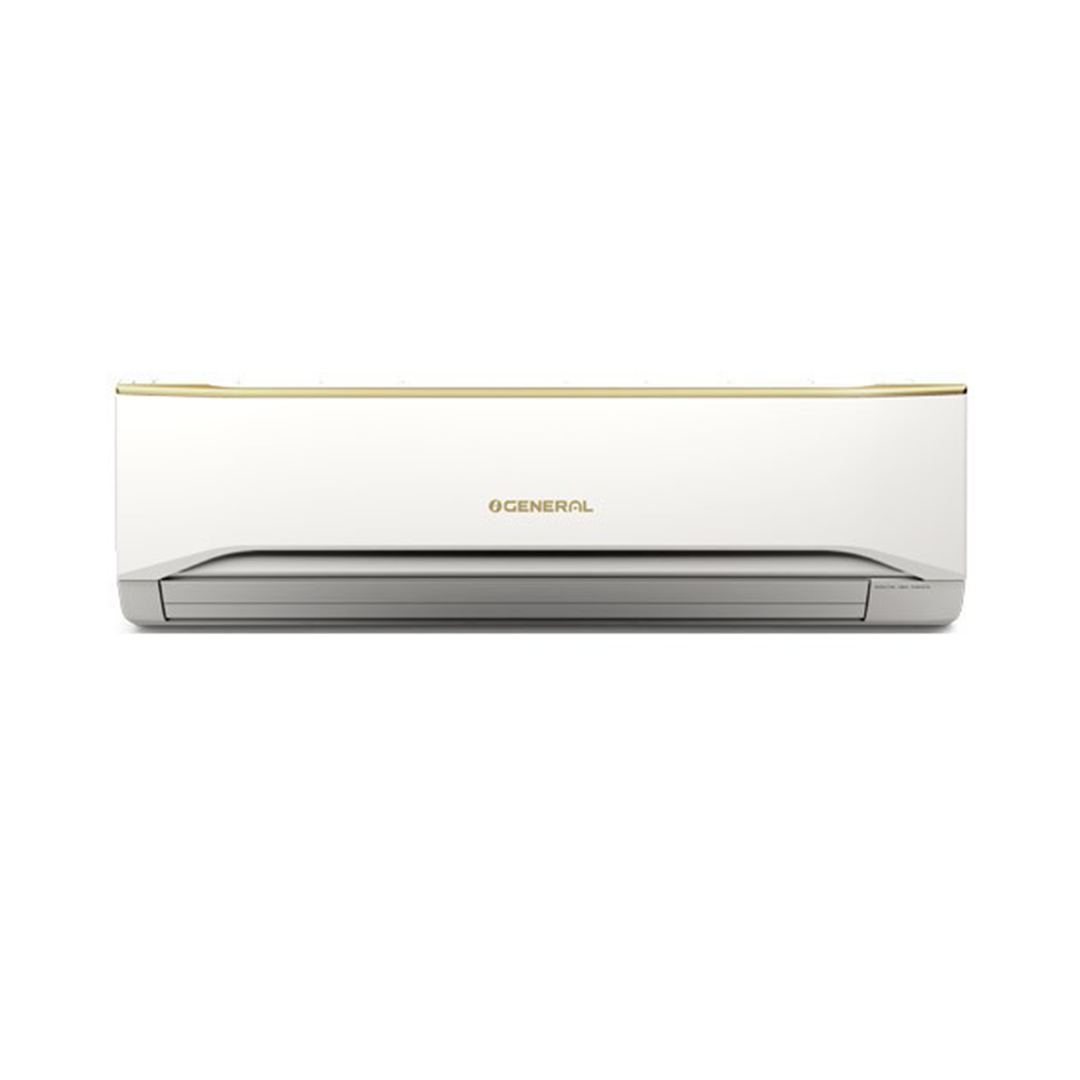
Image Source: www.asthaelectro.com
Deciphering the Cost of a 2.5 Ton Cooling System
When you’re looking to cool your home, choosing the right size air conditioner is crucial. A 2.5 ton air conditioner is a popular choice for many homes, but its cost can be a big question mark for homeowners. Let’s break down what influences the 2.5 ton AC price and what you can expect to pay.
What Determines the Tonnage of an Air Conditioner?
The “tonnage” of an air conditioner refers to its cooling capacity. One ton of cooling capacity is equivalent to 12,000 British Thermal Units (BTUs) per hour. So, a 2.5 ton air conditioner has a cooling capacity of 30,000 BTUs per hour (2.5 tons * 12,000 BTUs/ton). This capacity is designed to cool a specific square footage. For a 2.5 ton unit, it’s generally suitable for homes or specific zones ranging from 1,200 to 1,500 square feet, assuming standard ceiling heights, good insulation, and moderate climate conditions.
The Air Conditioner Unit Price: What You Pay for the Machine
The actual air conditioner unit price is a significant portion of the overall cost. This is the price of the physical AC unit you purchase. Several elements affect this price:
- Brand Reputation: Well-known brands with a history of reliability often come with a higher price tag. Companies like Carrier, Trane, Lennox, and Goodman all offer 2.5 ton units, with price differences reflecting their market position and perceived quality.
- Efficiency Ratings (SEER2): The Seasonal Energy Efficiency Ratio 2 (SEER2) measures how efficiently an air conditioner uses energy. Higher SEER2 ratings mean lower energy bills but also a higher upfront cost for the unit. For example, a unit with a SEER2 rating of 16 might be less expensive than one with a SEER2 rating of 20. Federal regulations have set minimum SEER2 requirements that vary by region, but opting for a higher SEER2 rating can lead to substantial savings over the lifespan of the system.
- Features and Technology: Modern air conditioners come with various features that can increase the air conditioner unit price. These might include variable-speed compressors, smart thermostat compatibility, advanced filtration systems, or quieter operation.
- Type of System: While we’re focusing on central air conditioning, it’s worth noting that a 2.5 ton split AC price might differ slightly from a packaged unit, though for residential central systems, split systems are most common. A 2.5 ton split AC price typically involves an outdoor condenser unit and an indoor evaporator coil.
Beyond the Unit: The Central Air Conditioning Cost Breakdown
The air conditioner unit price is only part of the story. The majority of the expense often lies in the central air conditioning cost, specifically the installation.
Factors Influencing HVAC Installation Cost
The HVAC installation cost can fluctuate significantly based on several variables:
- Labor Rates: The cost of skilled labor varies by geographic location. Areas with a higher cost of living generally have higher HVAC technician rates.
- Complexity of Installation:
- New Construction vs. Replacement: Installing a new central air conditioning cost in a home that has never had central air will be more expensive than an air conditioner replacement cost. This is because new installations require the setup of ductwork, electrical wiring, and refrigerant lines from scratch. Replacing an existing unit usually involves reusing some of the existing infrastructure, which can reduce labor time.
- Ductwork: If new ductwork needs to be installed or existing ductwork needs significant modifications, this will add to the overall central AC installation prices. The size, material, and accessibility of the ductwork all play a role.
- Electrical Work: Upgrading or installing new electrical circuits to support the new unit can also increase costs.
- Refrigerant Lines: Running new refrigerant lines or replacing old ones is part of the installation process.
- Permits and Inspections: Local building codes often require permits for HVAC installations, and these come with fees. Inspections are also necessary to ensure the work meets safety standards.
- Ancillary Equipment: Sometimes, additional equipment is needed, such as a new thermostat, surge protector, or drain pan. These items add to the total cost.
- Contractor Choice: Different HVAC companies have different pricing structures. It’s always wise to get multiple quotes from reputable contractors.
Understanding the Cost of a 2.5 Ton Cooling System: A Price Comparison
To give you a clearer picture, let’s look at potential cost ranges for a 2.5 ton cooling system. Remember, these are estimates and can vary greatly.
Table 1: Estimated Cost Ranges for a 2.5 Ton Air Conditioner
| Component | Estimated Cost Range (USD) | Notes |
|---|---|---|
| 2.5 Ton AC Unit Price | $1,500 – $3,500 | Varies by brand, SEER2 rating, and features. |
| HVAC Installation Cost (Labor) | $2,000 – $3,000 | Depends on labor rates, complexity, and whether it’s a new installation or replacement. |
| Ductwork (if new/modified) | $500 – $2,500+ | Significant added cost if existing ductwork is insufficient or absent. |
| Thermostat | $100 – $400 | Basic vs. smart thermostat. |
| Permits & Inspections | $100 – $300 | Varies by local municipality. |
| Total Estimated Cost | $4,000 – $7,000+ | This is a general range for a standard installation. Complex scenarios can push costs higher. |
Specific Pricing for a 2.5 Ton Split AC Price
A 2.5 ton split AC price is the most common configuration for central air conditioning. This system consists of an outdoor unit (condenser) and an indoor unit (evaporator coil, often paired with a furnace or air handler).
Key Components of a 2.5 Ton Split AC System:
- Outdoor Condenser Unit: This unit houses the compressor, condenser coil, and fan. It releases heat from your home to the outdoors.
- Indoor Evaporator Coil: This unit is typically located above your furnace or in the air handler. It absorbs heat from the indoor air.
- Refrigerant Lines: Copper tubes that carry refrigerant between the indoor and outdoor units.
- Thermostat: Controls the operation of the system.
The 2.5 ton split AC price will be influenced by the efficiency (SEER2) and features of both the condenser unit and the evaporator coil. For instance, a high-efficiency coil might be paired with a high-efficiency condenser for optimal performance, increasing the overall air conditioner unit price.
Is it an Air Conditioner Replacement Cost or a New Installation?
Air conditioner replacement cost is generally lower than a completely new installation. Here’s why:
- Existing Infrastructure: You likely already have ductwork, electrical wiring, and possibly refrigerant lines in place. The new unit can often connect to these existing components, reducing labor time and material costs.
- Less Customization: While some modifications might be needed, the overall design and layout of the system are already established.
New installation of central air conditioning involves building the entire system from the ground up. This includes:
- Designing the Ductwork: Calculating the optimal size and placement of ducts for even air distribution.
- Installing Ductwork: Running ducts through walls, ceilings, and floors.
- Electrical Upgrades: Ensuring adequate power supply and wiring for the new system.
- Drainage: Setting up a condensate drain line.
The difference in cost between an air conditioner replacement cost and a new installation can be anywhere from $1,000 to $5,000 or more, depending on the scope of work required for the new installation.
Factors Affecting the Cost of a 2.5 Ton Cooling System Beyond Installation
- Warranty: The length and quality of the manufacturer’s warranty on the AC unit can influence its price. Longer warranties often indicate higher quality components.
- Rebates and Tax Credits: Look for local, state, or federal rebates and tax credits for installing high-efficiency HVAC systems. These can significantly offset the overall cost of a 2.5 ton cooling system.
- Financing Options: Many HVAC companies offer financing plans, which can make the purchase more manageable. However, be mindful of interest rates and terms.
- Seasonality: Sometimes, you might find slightly better pricing on AC units during the off-season (fall or winter) when demand is lower. However, scheduling installation might also be easier during these times.
Getting the Best Value for Your 2.5 Ton AC Price
To ensure you’re getting the best value for your 2.5 ton AC price, follow these steps:
- Proper Sizing is Key: Don’t just assume a 2.5 ton unit is right for your home. A qualified HVAC professional should perform a load calculation (Manual J) to determine the precise cooling needs based on your home’s size, insulation, window type and number, climate, and other factors. An oversized or undersized unit will not perform efficiently and can lead to comfort issues and higher energy bills.
- Get Multiple Quotes: Contact at least three reputable HVAC contractors in your area. Ask for detailed, written quotes that clearly outline the equipment being installed, labor costs, warranty information, and any additional fees.
- Check Contractor Credentials: Ensure the contractors you consider are licensed, insured, and have good reviews. Look for certifications like NATE (North American Technician Excellence).
- Ask About Efficiency: Discuss SEER2 ratings and choose a system that balances upfront cost with long-term energy savings.
- Inquire About Rebates and Incentives: Ask your contractor about any available rebates or tax credits for high-efficiency units.
- Read the Fine Print: Before signing any contract, carefully review all terms and conditions, including payment schedules and warranty details.
What to Expect from the Installation Process
Once you’ve chosen your unit and contractor, the installation typically takes 1-3 days. Here’s a general overview:
- Preparation: The contractor will prepare the work area, ensuring minimal disruption.
- Removal of Old Unit (if applicable): The old AC unit will be safely removed and disposed of.
- Installation of New Unit: The outdoor condenser and indoor evaporator coil will be installed.
- Ductwork and Refrigerant Line Connections: Connections will be made to the existing ductwork and refrigerant lines.
- Electrical Connections: The system will be wired to your home’s electrical system.
- Testing and Commissioning: The system will be turned on, tested, and calibrated to ensure it’s running efficiently and correctly.
- Cleanup: The work area will be cleaned up, and debris removed.
Maintaining Your New 2.5 Ton Air Conditioner
To get the most out of your investment and ensure your 2.5 ton cooling system runs efficiently for years to come, regular maintenance is essential.
- Annual Inspections: Schedule professional tune-ups annually. Technicians will clean coils, check refrigerant levels, inspect electrical connections, and ensure optimal performance.
- Filter Changes: Replace or clean your air filters regularly (typically every 1-3 months, depending on the filter type and household conditions). Dirty filters restrict airflow, reduce efficiency, and can strain the system.
- Keep Outdoor Unit Clear: Ensure the outdoor condenser unit is free of debris, leaves, and plants. Good airflow is critical for its operation.
- Check Drain Lines: Make sure the condensate drain line is clear to prevent water backup and potential damage.
By investing in a properly sized and installed 2.5 ton air conditioner and maintaining it diligently, you can ensure efficient and reliable cooling for your home for many years. The initial investment for a 2.5 ton AC price, including installation, is significant, but it contributes to your home’s comfort and energy efficiency.
Frequently Asked Questions (FAQ)
Q1: What is the average lifespan of a 2.5 ton air conditioner?
A1: A well-maintained 2.5 ton air conditioner typically lasts between 15 to 20 years. Regular maintenance, including annual professional inspections and timely filter changes, is crucial for maximizing its lifespan.
Q2: Can I install a 2.5 ton AC unit myself?
A2: While some basic HVAC components can be DIY-friendly, installing a central air conditioning system, including a 2.5 ton unit, is a complex process that requires specialized knowledge, tools, and adherence to safety codes. It is highly recommended to hire a qualified and licensed HVAC professional for installation to ensure proper function, safety, and to maintain manufacturer warranties. Incorrect installation can lead to inefficiency, system damage, and safety hazards.
Q3: How much electricity does a 2.5 ton air conditioner use?
A3: The electricity consumption of a 2.5 ton air conditioner depends heavily on its SEER2 rating, how often it runs, and the ambient temperature. A higher SEER2 rating indicates greater energy efficiency, meaning it uses less electricity to produce the same amount of cooling. Generally, a 2.5 ton unit consumes between 2,000 to 3,500 watts of power per hour when running. To estimate your electricity cost, you would multiply the unit’s wattage by the number of hours it runs and then by your local electricity rate per kilowatt-hour (kWh).
Q4: What is the difference between a 2.5 ton and a 3 ton air conditioner?
A4: The primary difference is their cooling capacity. A 2.5 ton unit provides 30,000 BTUs per hour, suitable for homes generally between 1,200 to 1,500 square feet. A 3 ton unit provides 36,000 BTUs per hour, typically recommended for homes between 1,500 to 2,000 square feet. The correct sizing is crucial; an oversized unit will cool a space too quickly without adequately dehumidifying it, leading to a clammy feeling and inefficient operation. An undersized unit will struggle to cool the space effectively, especially during peak heat.
Q5: What are the benefits of a high SEER2 rating on a 2.5 ton AC unit?
A5: A higher SEER2 rating on a 2.5 ton AC unit means it is more energy-efficient. This translates directly into lower monthly electricity bills. While units with higher SEER2 ratings often have a higher upfront air conditioner unit price, the long-term energy savings can make them more cost-effective over the lifespan of the system. Additionally, higher SEER2 units may be eligible for government rebates and tax credits, further reducing the overall cost of a 2.5 ton cooling system. They also contribute to a more comfortable home environment due to more consistent cooling.
Q6: Who provides installation services for 2.5 ton air conditioners?
A6: Licensed and reputable HVAC (Heating, Ventilation, and Air Conditioning) contractors are the primary providers of installation services for 2.5 ton air conditioners. These companies employ trained and certified technicians who specialize in installing and servicing cooling systems. It’s advisable to seek out contractors with good reviews, proper licensing and insurance, and those who can provide detailed quotes for the central AC installation prices.

My name is Carlos Gadd, and I am the creator of AirPurityGuide.com.. With a passion for footwear, I share my experiences, insights, and expertise about shoes. Through my blog, I aim to guide readers in making informed decisions, finding the perfect pair, and enhancing their footwear knowledge. Join me on this journey to explore everything about shoes!