
Keeping birds away from your air conditioner unit is crucial for maintaining its efficiency and preventing damage. Yes, you can effectively keep birds away from your air conditioner by implementing a combination of physical deterrents, habitat modification, and other preventative measures. This blog post will explore proven methods for AC unit protection and preventing bird nests, ensuring your HVAC system functions optimally.
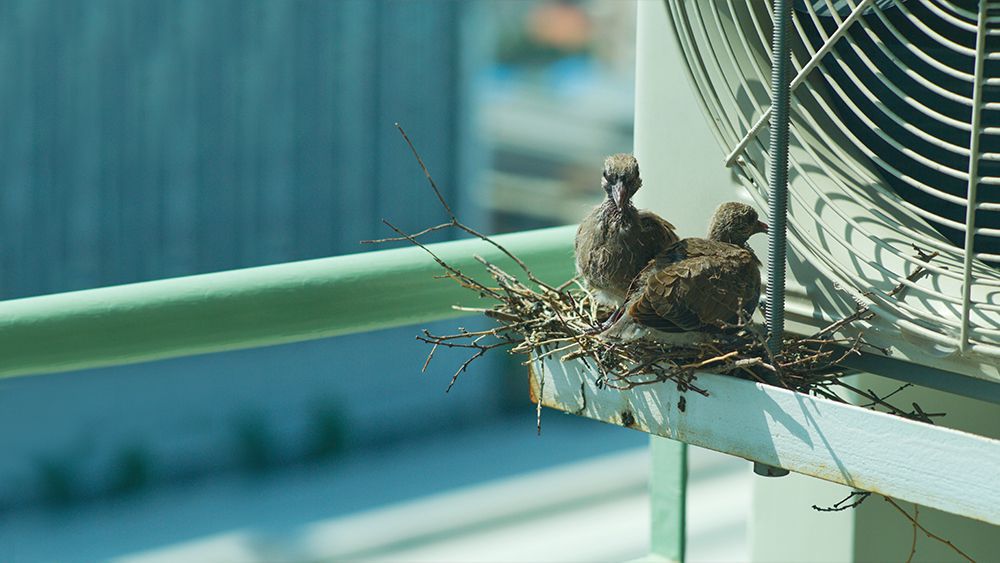
Image Source: cielowigle.com
Effective Ways How To Keep Birds Away From Air Conditioner
Birds are attracted to air conditioner units for various reasons, primarily the shelter and warmth they provide. Unfortunately, this can lead to significant problems, including clogged vents, damaged components, and the spread of disease. Learning how to keep birds off condenser units and protecting HVAC from birds is essential for homeowners.
Why Birds Are Drawn to Your Air Conditioner
Air conditioner units, especially the outdoor condenser units, offer a stable and often elevated platform that birds find attractive. They seek out these spots for several reasons:
- Shelter and Protection: The unit provides a barrier against wind, rain, and predators.
- Warmth: Especially in cooler months, the residual warmth from the unit can be appealing.
- Nesting Sites: The enclosed or semi-enclosed nature of some AC units creates ideal locations for birds to build nests.
- Water Source: In some cases, condensation runoff can create a small water source.
- Vantage Point: The height offers a good view of the surroundings for spotting food or threats.
The Problems Caused by Birds on AC Units
While the sight of birds can be pleasant, their presence on your AC unit can cause a cascade of issues:
- Nesting Material: Birds often bring twigs, leaves, and other debris to build nests. This material can easily get sucked into the unit’s fan, leading to blockages and damage.
- Droppings: Bird droppings are acidic and can corrode metal components, wires, and fins of your AC unit over time.
- Clogged Coils: Droppings and nesting materials can block airflow through the condenser coils, significantly reducing the unit’s efficiency and increasing energy consumption.
- Fan Damage: Small birds can get caught in the fan blades, causing severe damage to both the bird and the fan motor.
- Hygiene Concerns: Bird droppings can harbor bacteria and pathogens, posing health risks to people and pets.
- Reduced Airflow: Obstructions from nests and debris impede the unit’s ability to dissipate heat, forcing it to work harder.
Proven Methods for AC Unit Protection
Fortunately, there are many effective ways to deter birds and prevent them from nesting on your AC unit. These methods focus on making the unit an unwelcoming place for avian visitors.
1. Physical Bird Deterrents
Physical deterrents are designed to make it uncomfortable or impossible for birds to land or build nests on your AC unit.
Bird Spikes for AC
Bird spikes for AC units are a highly effective and humane way to prevent birds from perching.
- How they work: These are strips of metal or plastic with numerous sharp, blunt-ended spikes. When attached to surfaces where birds like to land, they make the area uncomfortable, discouraging them from settling.
- Placement: Spikes should be installed along the top and sides of the AC unit, particularly on ledges and flat surfaces where birds typically perch.
- Types of Spikes:
- Stainless Steel Spikes: Durable, weather-resistant, and long-lasting. They offer excellent protection.
- Plastic Spikes: Lighter and often more affordable, but may be less durable than stainless steel.
- Installation: Spikes can be attached using screws, adhesive strips, or zip ties, depending on the unit’s material and your preference. Ensure they are securely fastened.
Bird Netting
Bird netting creates a physical barrier, protecting HVAC from birds by preventing access to critical areas.
- How it works: A mesh net is stretched over the AC unit, creating a physical barrier that birds cannot penetrate.
- Considerations:
- Mesh Size: Choose a mesh size appropriate for the birds in your area. Too large, and smaller birds might still get through. Too small, and it might impede airflow if not installed correctly.
- Installation: The netting needs to be installed securely, with no gaps or loose sections where birds can enter. It should be mounted several inches away from the unit itself to prevent birds from reaching the unit through the mesh.
- Maintenance: Regularly check the netting for tears or damage, and ensure it’s not sagging, which could trap birds or obstruct airflow.
Bird Slides or Bird Rollers
These devices are designed to make perching impossible.
- How they work: They consist of rotating cylinders or smooth, angled surfaces that birds cannot grip. When a bird attempts to land, the surface rolls or slides, causing it to lose its footing and fly away.
- Placement: Typically installed along the edges and tops of the AC unit.
- Effectiveness: Very effective for discouraging perching on specific ledges or edges.
Bird Spiders or Bird Scares
These are moving deterrents that create a visual disruption.
- How they work: They feature multiple flexible strands or “arms” that move with the wind. The erratic movement scares birds away.
- Placement: Mounted on top of the AC unit.
- Caution: Ensure the strands are soft and won’t damage the unit if they come into contact.
2. Habitat Modification and Environmental Changes
Making the area around your AC unit less attractive to birds can significantly reduce their interest.
Eliminating Food and Water Sources
- Cleanliness: Keep the area around your AC unit clean. Remove any spilled birdseed, fallen fruit, or standing water that might attract birds.
- Pet Food: Avoid leaving pet food outdoors, as this can also attract birds.
- Water Features: If you have bird baths or fountains nearby, consider relocating them further away from the AC unit.
Reducing Perching Opportunities
- Trim Nearby Branches: Trim tree branches or bushes that overhang or are close to the AC unit. These can serve as convenient perching spots or access points for birds to reach the unit.
- Seal Entry Points: If your AC unit has any openings or crevices where birds might seek shelter or nesting material, seal them with a durable, weather-resistant material.
3. Auditory and Visual Deterrents
These methods use sound or movement to scare birds away.
Reflective Tape and Decoys
- How they work: Shiny, reflective materials like Mylar tape or metallic ribbons can be hung near the AC unit. The flashing light and movement can startle birds.
- Decoys: Plastic owls, snakes, or even shiny pinwheels can sometimes deter birds, but their effectiveness can wane as birds become accustomed to them.
- Rotation: To maintain effectiveness, periodically move or change the position of these deterrents.
Ultrasonic Repellers
- How they work: These devices emit high-frequency sounds that are inaudible to humans but are meant to disturb birds and other pests.
- Effectiveness: The effectiveness of ultrasonic repellers is debated, as some birds may become desensitized to the sounds. They can also be affected by obstructions and the specific species of bird.
4. Avian Repellant Sprays
Specific avian repellant for AC units can be used, although caution is advised.
- Natural Bird Repellents: Some natural repellents, often based on essential oils like peppermint or citronella, can be sprayed on surfaces. Birds dislike the smell.
- Adhesive Repellents: Sticky, non-toxic gels can be applied to ledges. Birds dislike the sticky sensation on their feet.
- Caution:
- Always choose non-toxic and bird-safe products.
- Ensure the product is safe for use on your AC unit’s materials. Some gels or sprays might damage plastic or metal components.
- These are often temporary solutions and need reapplication.
- Avoid spraying anything directly into the unit’s internal workings.
5. Bird Exclusion for Air Conditioners
This involves physically blocking access to the unit.
Cage or Screen Enclosures
- How they work: A wire cage or sturdy mesh screen can be built around the AC unit. This allows for airflow while preventing birds from landing on or entering the unit.
- Design: The enclosure should be large enough to not impede airflow and should have adequate spacing between the mesh and the unit’s components.
- Materials: Use durable, weather-resistant materials like galvanized steel or coated wire mesh.
Sealing Openings
- Inspect your unit: Carefully inspect your AC unit for any openings, cracks, or gaps.
- Seal them: Use appropriate materials like fine-mesh metal screens or durable sealants to block these entry points. Ensure you don’t block essential ventilation.
6. Regular Maintenance and Cleaning
Consistent maintenance is key to preventing bird nests and keeping your AC unit in good condition.
- Visual Inspections: Regularly check your AC unit for any signs of bird activity, such as droppings, nesting materials, or damaged components.
- Cleaning: Gently remove any nesting materials or droppings you find. Use a soft brush and a mild cleaning solution. Ensure the unit is turned off before cleaning.
- Professional Servicing: Schedule regular professional maintenance for your AC unit. Technicians can identify and address potential bird-related issues.
Discouraging Birds from AC Units: A Step-by-Step Approach
To effectively manage birds around your AC, consider a systematic approach:
- Assessment: Identify the types of birds and the specific reasons they are attracted to your unit. Observe their behavior.
- Initial Cleaning: Thoroughly clean the unit and the surrounding area to remove existing attractants like droppings and nesting materials.
- Implement Primary Deterrents: Start with the most effective and humane methods, such as bird spikes or netting.
- Secondary Deterrents: If primary methods are not fully effective, consider visual or auditory deterrents.
- Habitat Modification: Make the area less appealing by removing food and water sources and trimming vegetation.
- Regular Monitoring: Continuously monitor the unit for any new signs of bird activity and adjust your strategies as needed.
Protecting HVAC from Birds: What Not to Do
- Do Not Use Toxic Chemicals: Avoid using any toxic sprays or poisons, as these can harm not only birds but also pets and other wildlife.
- Do Not Use Harmful Traps: Lethal traps are generally inhumane and can also pose risks to non-target species.
- Do Not Block Airflow: Ensure any deterrents you use do not significantly restrict airflow to the unit, as this can lead to overheating and reduced efficiency.
- Do Not Damage the Unit: Be careful not to scratch or dent the AC unit’s components when installing deterrents.
Choosing the Right Bird Deterrent for Your Needs
The best approach often involves a combination of methods. Here’s a table to help you decide:
| Deterrent Type | Effectiveness | Ease of Installation | Aesthetics | Cost (Est.) | Best For |
|---|---|---|---|---|---|
| Bird Spikes | High | Moderate | Moderate | $$ | Preventing perching on ledges, tops, and edges. |
| Bird Netting | High | Moderate | Low | $$ – $$$ | Creating a full barrier around the unit. |
| Bird Slides/Rollers | High | Moderate | High | $$ | Discouraging perching on specific contact points. |
| Bird Spiders | Moderate-High | Easy | Moderate | $ – $$ | Creating visual disruption and preventing stable perching. |
| Reflective Tape | Moderate | Easy | Low | $ | Temporary deterrent, works best with movement. |
| Ultrasonic Repellers | Variable | Easy | High | $$ – $$$ | Can be an option, but effectiveness varies. |
| Cage Enclosures | Very High | Difficult | Low | $$$ | Comprehensive protection for units in high-traffic bird areas. |
| Natural Repellents | Low-Moderate | Easy | High | $ | Supplemental use, requires frequent reapplication. |
Note: Cost is relative and can vary by brand and quantity.
Frequently Asked Questions (FAQ)
Q1: Will bird spikes harm birds?
A1: When installed correctly, bird spikes are designed to be a deterrent, not to harm birds. The blunt-ended spikes make landing uncomfortable, causing birds to fly away. They do not pierce or injure the birds.
Q2: Can I use sticky gels on my AC unit?
A2: Some non-toxic sticky gels can be used as an avian repellant for AC units. However, you must ensure the product is safe for your AC unit’s materials and that it won’t collect excessive debris. Avoid using them in extremely hot weather, as they can melt.
Q3: How often do I need to replace bird deterrents?
A3: Durable deterrents like stainless steel bird spikes can last for many years. Other methods, like reflective tape or natural sprays, may need to be replaced or reapplied more frequently, especially after harsh weather. Regular inspections are key.
Q4: What if birds have already nested in my AC unit?
A4: If you discover an active nest, it’s best to wait until the young birds have fledged (left the nest) before removing it. This is often a legal requirement in many regions to protect nesting birds. Once the nest is empty, remove it and clean the area thoroughly. Then, implement deterrents to prevent future nesting.
Q5: Are there any humane ways to remove birds that are already there?
A5: Humane removal often involves making the area unattractive. Gentle nudging with a broom to encourage them to leave, or using temporary visual deterrents, might work. However, if birds are persistent or a nest is present, waiting for them to leave naturally is usually the most humane and often legally required approach.
Q6: How does bird presence affect my AC’s energy efficiency?
A6: Bird nests and droppings can clog condenser coils and fans, reducing airflow. This forces your AC unit to work harder and longer to cool your home, leading to increased energy consumption and higher electricity bills.
By implementing these effective strategies, you can ensure your air conditioner remains a functional appliance, free from the problems caused by unwanted avian visitors. Protecting your HVAC from birds is an investment in the longevity and efficiency of your home’s cooling system.

My name is Carlos Gadd, and I am the creator of AirPurityGuide.com.. With a passion for footwear, I share my experiences, insights, and expertise about shoes. Through my blog, I aim to guide readers in making informed decisions, finding the perfect pair, and enhancing their footwear knowledge. Join me on this journey to explore everything about shoes!