
A car’s air conditioning system typically lasts between 3 to 5 years, though this can vary significantly. How often AC needs repair depends on usage, maintenance, and component quality.
The comfort provided by a car’s air conditioning (AC) system is invaluable, especially during scorching summer months. But like any mechanical system, it doesn’t last forever. Many car owners wonder about the AC lifespan and when they might expect issues. This comprehensive guide delves into the facts, exploring how long a car’s AC system generally lasts, the factors that influence its air conditioning system longevity, and what you can do to maximize its service life.
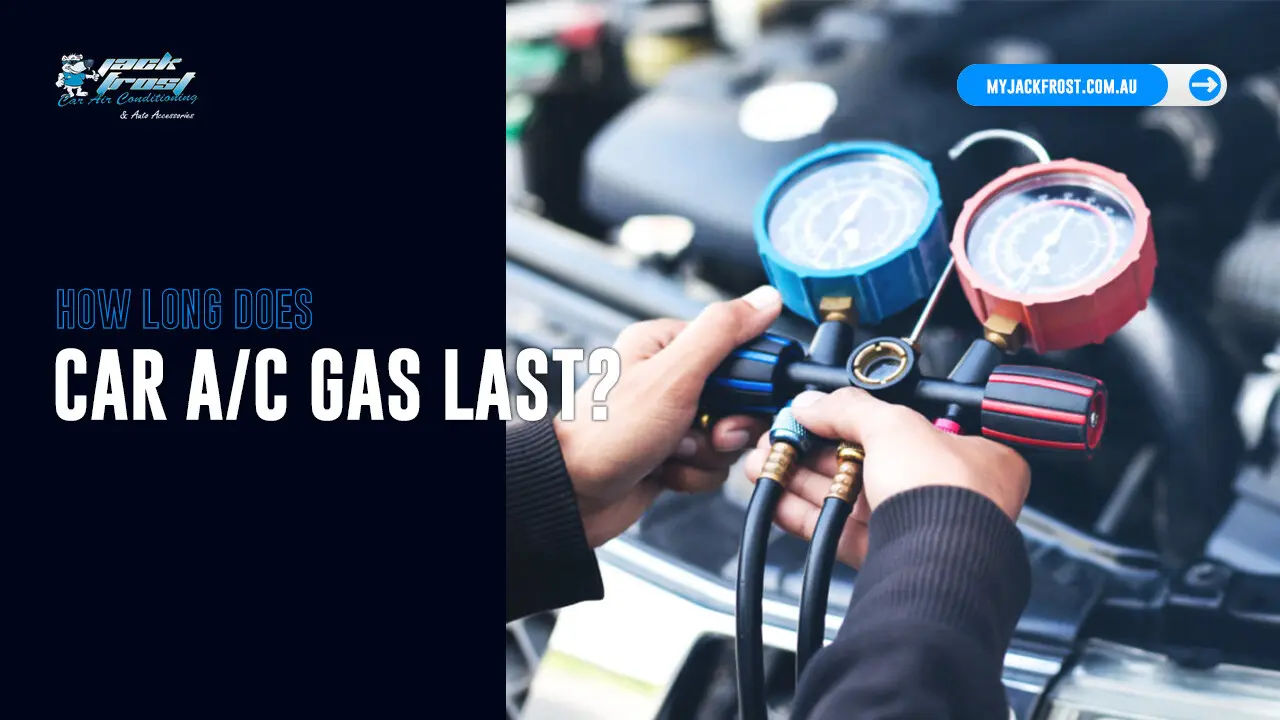
Image Source: myjackfrost.com.au
Deciphering Your Car’s AC Lifespan
The average car AC service life is not a fixed number. It’s a range, heavily influenced by several interacting elements. While some systems might greet you with cool air for over a decade with minimal fuss, others can falter within a few years. Understanding the typical lifespan helps in budgeting for potential car AC repair and appreciating the importance of care.
What is the Typical AC Failure Timeline?
Typical AC failure often occurs when a specific component wears out or a leak develops. The most common culprits for failure include:
- Compressor: This is the heart of the AC system. It can wear out due to age, lack of lubrication, or contamination.
- Condenser: This part looks like a radiator and dissipates heat. It can become blocked with debris or corrode over time, leading to reduced efficiency or failure.
- Evaporator: Located inside the car, this component absorbs heat from the cabin air. It’s prone to leaks due to corrosion.
- Refrigerant Leaks: Over time, seals and hoses can degrade, allowing the refrigerant to escape, which is crucial for cooling.
- Electrical Issues: Fans, sensors, or control modules can fail, preventing the system from operating correctly.
Fathoming the Factors Affecting AC Life
Several key elements directly impact how long your car’s air conditioning system will operate efficiently:
1. Usage Patterns and Climate
- Frequent Use: If you live in a hot climate and use your AC daily, the system will experience more wear and tear than in a cooler region where it’s used sparingly. Constant operation means more cycles for the compressor and more stress on other components.
- Infrequent Use: Conversely, not using the AC for extended periods can also be detrimental. Seals can dry out, and refrigerant can migrate, potentially leading to leaks when you do decide to turn it on.
- Dust and Debris: Driving in dusty or debris-prone environments can lead to the condenser becoming clogged. This restricts airflow, making the system work harder and reducing its efficiency, which can shorten its air conditioning system longevity.
2. Quality of Components and Installation
- Original Equipment Manufacturer (OEM) Parts: Cars fitted with high-quality OEM AC components generally experience fewer issues and last longer.
- Aftermarket Parts: While aftermarket parts can be a budget-friendly option, their quality can vary. Lower-quality components might fail sooner, leading to more frequent car AC repair.
- Professional Installation: If your AC system has had parts replaced, the quality of the installation is paramount. Improper installation, such as incorrect refrigerant charge or poor sealing, can lead to premature failure.
3. Preventative AC Maintenance Practices
This is arguably the most critical factor in extending your AC’s life. Regular checks and servicing can catch minor issues before they escalate into major problems.
- Regular Performance Checks: Periodically running the AC, even in cooler months, helps keep the system lubricated and seals from drying out.
- Cabin Air Filter Replacement: A clogged cabin air filter restricts airflow into the cabin, forcing the AC system to work harder. Replacing this filter regularly is a simple yet effective maintenance step.
- System Inspection: Having a mechanic check the refrigerant levels, look for leaks, and inspect hoses and belts during routine servicing can identify potential problems early.
4. The Age of the Car and its AC System
Automotive AC age is a significant factor. As a car gets older, rubber hoses can become brittle, seals can degrade, and metal components can corrode. This natural aging process makes older AC systems more susceptible to leaks and failures. The AC lifespan is inherently tied to the overall age of the vehicle.
Signs Your Car’s AC Needs Attention
Recognizing the early warning signs can save you from a complete breakdown and potentially a more expensive car AC replacement cost.
Common Indicators of AC Problems
- Weak Airflow: If the air coming out isn’t as strong as it used to be, even with the fan on high, it could indicate a clogged cabin air filter, a failing blower motor, or a refrigerant issue.
- Warm Air: The most obvious sign. This can be due to low refrigerant, a faulty compressor, or a problem with the expansion valve.
- Strange Noises: Grinding, squealing, or rattling sounds when the AC is on often point to a failing compressor or a worn-out belt.
- Musty or Moldy Smells: This usually indicates mold or mildew growth in the evaporator core or ductwork, often due to moisture buildup.
- AC System Cycles On and Off Rapidly: This can be a sign of overcharging, an electrical issue, or a malfunctioning pressure switch.
- Visible Leaks: Oily residue around AC components can indicate a refrigerant leak, as refrigerant often contains a lubricating oil.
Maintaining Your Car’s Air Conditioning for Longevity
Proactive preventative AC maintenance is the key to ensuring your car’s AC system performs reliably for as long as possible and can significantly influence the AC lifespan.
Essential Preventative Maintenance Steps
- Run the AC Regularly: Aim to run your AC for at least 10-15 minutes every couple of weeks, even in winter. This circulates refrigerant and oil, lubricating seals and preventing them from drying out.
- Replace the Cabin Air Filter: Check your owner’s manual for the recommended replacement interval, usually every 15,000 to 30,000 miles or annually. A clean filter ensures good airflow and reduces strain on the system.
- Keep the Condenser Clean: The condenser is located at the front of your car, often in front of the radiator. Periodically inspect it for debris like leaves, bugs, or dirt. You can gently spray it with a hose from the back to dislodge debris, being careful not to bend the fins.
- Listen for Unusual Noises: Pay attention to any new sounds when operating the AC. Early detection of grinding or squealing can lead to a less costly repair.
- Check Refrigerant Levels (Professionally): While DIY refrigerant recharge kits are available, it’s often best left to professionals. Overcharging or using the wrong type of refrigerant can cause serious damage. A mechanic can accurately check and top up levels if needed.
- Inspect Hoses and Belts: During routine maintenance, ask your mechanic to inspect the AC hoses for cracks or leaks and check the serpentine belt that drives the compressor for wear.
What to Do About AC Leaks
Refrigerant leaks are a common cause of AC failure and a significant factor in reduced air conditioning system longevity.
- Identifying Leaks: Leaks are often detected by a hissing sound or a noticeable drop in cooling performance. A UV dye can be added to the system, which will glow under a black light if a leak is present.
- Repairing Leaks: If a leak is found, the damaged component (hose, seal, or component) needs to be replaced. After the repair, the system is evacuated, recharged with the correct amount of refrigerant, and tested for leaks again.
When Does AC Need to Be Replaced?
Sometimes, AC problems are too extensive or costly to repair, or the system has simply reached the end of its natural AC lifespan.
Indicators for Full AC Replacement
- Major Component Failure: If the compressor, condenser, or evaporator fails, the car AC replacement cost can be substantial. In older vehicles, it might be more economical to replace the entire system or consider the age of the car.
- Multiple Leaks: If the system has had multiple leaks in different locations, it suggests widespread degradation of components, making further repairs potentially futile.
- Corrosion: Severe corrosion, particularly in the condenser or evaporator, can compromise their integrity and lead to repeated leaks and failures.
- Age and Reliability: If your car is very old and the AC system has required frequent repairs, it might be a sign that it’s time for a more comprehensive solution, rather than chasing minor issues.
What is the Car AC Replacement Cost?
The car AC replacement cost can range significantly, typically from $500 to $2,500 or more. This wide range depends on:
- The specific components being replaced: Replacing just a hose is far less expensive than replacing the compressor and the entire system.
- The make and model of the car: Luxury vehicles or those with more complex systems generally have higher repair costs.
- Labor rates: Mechanic labor rates vary by region.
- Whether OEM or aftermarket parts are used: OEM parts are usually more expensive.
It’s always advisable to get multiple quotes from reputable repair shops if you’re facing a major AC repair or replacement.
How Often Does AC Need Repair?
The frequency of car AC repair is highly variable. A well-maintained system in a moderate climate might go many years without needing any attention. However, a system in a harsh climate that is used constantly, or one that has been neglected, might require repairs more frequently.
- Minor Repairs: Replacing a clogged cabin air filter or recharging refrigerant due to a small leak might be needed every few years.
- Major Repairs: Compressor failures or significant leaks might only occur once or twice in the AC lifespan of a car, but when they do, they are costly.
The Role of Climate Control and Other Systems
Modern cars often have sophisticated climate control systems that integrate various sensors and electronic modules to manage AC performance. Issues within these electronic components can also affect AC operation, sometimes leading to typical AC failure modes that aren’t directly related to the core mechanical parts of the AC system. For instance, a faulty temperature sensor or a malfunctioning blend door actuator can cause the AC to blow warm air, even if the refrigerant charge is perfect.
Frequently Asked Questions (FAQ)
How do I know if my car’s AC needs recharging?
The most common sign is when your car starts blowing warm air instead of cold air, or the cooling is noticeably less effective than usual. You might also hear a hissing sound from the dashboard when the AC is on, which can indicate a refrigerant leak.
Can I just add refrigerant if my AC is not cold?
While you can purchase DIY refrigerant recharge kits, it’s often not the best solution. If your AC is not cold, it usually means there’s a leak. Simply adding refrigerant without fixing the leak is a temporary fix, and the refrigerant will escape again. Furthermore, overcharging the system can cause damage. It’s best to have a professional diagnose the problem and repair any leaks before recharging.
What’s the difference between AC recharge and AC repair?
An AC recharge refers to adding refrigerant to the system. AC repair involves fixing the underlying problem, such as replacing a leaky hose, a faulty compressor, or a damaged condenser. A recharge without repair is only a temporary solution if there’s a leak.
Does running the AC on “recirculate” help it last longer?
Using the “recirculate” setting primarily helps the system cool the cabin faster and more efficiently, especially on hot days. It reduces the workload on the AC system by cooling already cooled cabin air rather than constantly cooling hot outside air. While it makes the AC more efficient, it doesn’t directly impact the AC lifespan in terms of component wear and tear.
How can I prevent my car’s AC from breaking down?
The best way to prevent AC breakdown is through regular preventative AC maintenance. This includes running the AC regularly, replacing the cabin air filter, keeping the condenser clean, and having the system inspected by a professional periodically for leaks or low refrigerant.
By following these guidelines and being attentive to your car’s AC system, you can significantly extend its AC lifespan and ensure cool, comfortable drives for years to come.

My name is Carlos Gadd, and I am the creator of AirPurityGuide.com.. With a passion for footwear, I share my experiences, insights, and expertise about shoes. Through my blog, I aim to guide readers in making informed decisions, finding the perfect pair, and enhancing their footwear knowledge. Join me on this journey to explore everything about shoes!