
Can you recharge a camper air conditioner yourself? Yes, in many cases, you can perform a DIY RV AC service, especially for topping off the refrigerant. This guide will walk you through the process of recharging your camper air conditioner, covering everything from identifying the need for a recharge to safely adding refrigerant. Whether you have an RV, motorhome, or caravan, keeping your air conditioning running smoothly is essential for comfortable travel. We’ll also touch upon why your camper AC might not be cooling and the steps involved in a camper AC top-off.
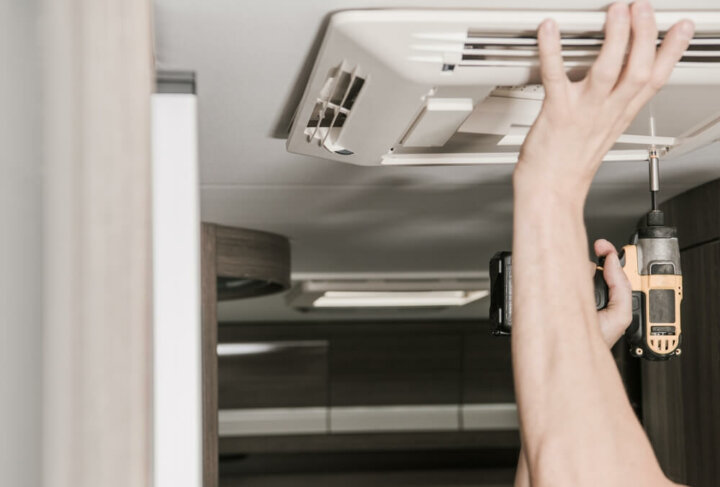
Image Source: www.jeffsetter.com
Why Your Camper Air Conditioner Needs a Recharge
Your camper air conditioner, much like the AC in your home or car, relies on a refrigerant to cool the air. This refrigerant circulates through a closed system, changing from a liquid to a gas and back again, absorbing heat from your camper’s interior and releasing it outside. Over time, small leaks can develop in the system, allowing this precious refrigerant to escape. When the refrigerant level drops too low, the air conditioner will struggle to cool effectively, or worse, stop cooling altogether.
Common Signs Your Camper AC Needs a Recharge:
- Reduced Cooling Power: The most obvious sign is that your camper AC isn’t blowing as cold as it used to. You might notice it takes longer to cool down the space, or it simply can’t reach your desired temperature.
- Airflow Issues: While not always a direct sign of low refrigerant, a weak or inconsistent airflow can sometimes accompany a system that’s not functioning optimally due to insufficient refrigerant.
- Ice Formation: If you see ice building up on the AC unit’s coils, it often indicates a problem with refrigerant flow. This can happen when the refrigerant level is too low, causing the coils to get too cold.
- AC Cycling On and Off Frequently: A system that short cycles might be trying to compensate for a lack of cooling capacity due to low refrigerant.
- Unusual Noises: While less common, some leaks can cause hissing sounds as refrigerant escapes.
Comprehending Your Camper AC Refrigerant
Most modern RV AC systems use a refrigerant called R-410A. Older systems might use R-22 (Freon), but this is being phased out due to environmental concerns. It’s crucial to know which refrigerant your specific system uses before you attempt any recharge. Adding the wrong type of refrigerant can damage your AC unit and be dangerous.
Identifying Your Refrigerant Type
The best way to determine your refrigerant type is to check the label on your AC unit itself. Look for a sticker or plate that indicates the manufacturer, model number, and the type of refrigerant used. This information is often found on the exterior casing of the air conditioning unit.
The Danger of Incorrect Refrigerant
Never mix refrigerants. Using R-410A in a system designed for R-22, or vice-versa, will lead to system failure. It’s like trying to put diesel in a gasoline car – it simply won’t work and will cause significant damage.
Essential Tools and Materials for an RV AC Recharge
Before you begin your DIY RV AC service, gather all the necessary tools and materials. This will ensure the process goes smoothly and safely.
What You’ll Need:
- Refrigerant Canister: Ensure you purchase the correct type of refrigerant (R-410A or R-22) and the appropriate size can for your needs. For a motorhome AC top-off, a smaller can might suffice.
- AC Recharge Hose with Gauge: This is critical. It connects the refrigerant can to your AC unit’s service port and provides a gauge to monitor pressure. Look for one specifically designed for RV AC systems or automotive AC recharge kits that are compatible with your refrigerant type.
- Protective Gloves: Refrigerants can be harmful to your skin.
- Safety Glasses: Protect your eyes from any potential spray.
- Clean Cloths or Rags: For wiping down connections.
- Manufacturer’s Manual: Always refer to your RV or AC unit’s manual for specific instructions and pressure readings.
What NOT to Use (Unless Specified by Manufacturer):
- General Automotive AC Recharge Kits: While some automotive AC recharge kits might work, ensure they are compatible with your specific refrigerant and designed for the pressure ranges of your RV AC unit. RV AC systems can operate at different pressures than car ACs.
Step-by-Step Guide to Recharging Your Camper Air Conditioner
Performing an RV AC recharge can seem daunting, but by following these steps carefully, you can effectively add refrigerant. Remember, this guide is for topping off a slightly low system; a significant loss of refrigerant indicates a larger leak that needs professional attention.
Step 1: Locate the AC Unit and Service Port
Your camper’s air conditioning unit is usually located on the roof. You’ll need to access the exterior components. On the side or bottom of the AC unit, you’ll find a metal panel that covers the compressor and other components. Carefully remove this panel.
- Finding the Service Port: Inside, you’ll see various pipes and components. The service port is typically a small, capped valve on the larger, low-pressure line of the AC system. It will likely have a plastic cap that needs to be unscrewed. There might be two ports (one high-pressure, one low-pressure). You only connect to the low-pressure port for recharging.
Step 2: Assess the Current Refrigerant Pressure
Before adding any refrigerant, it’s crucial to check the existing pressure. Connect the AC recharge hose to the low-pressure service port. Ensure the valve on the hose is in the closed position. Then, screw the hose firmly onto the service port.
- Connecting the Gauge: Once connected, open the valve on the refrigerant can. The gauge on your hose will now show the current system pressure.
- Consult Your Manual: Compare this reading to the recommended operating pressure range specified in your AC unit’s manual. This is a critical step for an RV AC top-off.
Step 3: Adding Refrigerant (The RV AC Top-Off)
If the pressure gauge indicates that the refrigerant is low, you can proceed with adding more.
- Positioning the Can: For most refrigerants like R-410A, the can should be kept upright. Some older refrigerants might require the can to be inverted, but always check the instructions on the can and your manual.
- Opening the Valve: Slowly open the valve on the refrigerant can.
- Monitoring the Gauge: Watch the pressure gauge closely. Add refrigerant in short bursts, allowing the system pressure to stabilize between bursts. Refer to your manual for the target pressure range. Do not overcharge the system.
- Checking for Leaks: As you add refrigerant, listen for any hissing sounds. If you suspect a leak, stop immediately and try to identify the source. A soapy water solution applied to connections can reveal bubbles if there’s a leak.
- Tightening Connections: Ensure all connections are secure to prevent further refrigerant loss.
Step 4: Final Pressure Check and Disconnection
Once you believe you have reached the correct pressure, close the valve on the refrigerant can first. Then, disconnect the hose from the service port.
- Securing the Cap: Replace the plastic cap on the service port tightly to prevent contamination and refrigerant escape.
- Reinstalling the Panel: Reattach the metal panel to the AC unit.
Step 5: Testing the System
Turn on your camper air conditioner and let it run for at least 15-20 minutes. Feel the air coming from the vents – it should be noticeably colder. Monitor the system for any unusual noises or performance issues.
Troubleshooting When Your Camper AC Is Not Cooling
If your camper AC is not cooling, a refrigerant recharge might be the solution, but it’s not the only possibility.
Common Reasons for Poor Cooling:
- Dirty Air Filters: This is the most common culprit. A clogged filter restricts airflow, making the unit work harder and reducing its cooling efficiency. Regular cleaning or replacement of your camper AC filters is essential.
- Dirty Evaporator and Condenser Coils: Over time, dust, dirt, and debris can accumulate on the coils, acting as an insulator and preventing heat transfer. This is a crucial aspect of DIY RV AC service.
- Electrical Issues: Problems with the fan motor, capacitor, or thermostat can also lead to poor cooling.
- Drain Line Clogs: If the condensate drain line is blocked, water can back up and cause issues, including freezing of the evaporator coils.
- Significant Refrigerant Leak: As discussed, low refrigerant is a major cause of poor cooling. However, a substantial leak means there’s a hole in the system that needs repair.
When to Call a Professional:
- Major Refrigerant Loss: If your system lost a significant amount of refrigerant, there’s a leak that needs to be found and repaired by a qualified technician. Simply recharging a leaking system is a temporary fix and can be costly in the long run.
- You’re Unsure: If you’re not comfortable with any step of the process or can’t identify the refrigerant type or proper pressure, it’s best to seek professional help.
- After Recharging, It Still Doesn’t Cool: If you’ve performed an RV AC recharge and the unit still doesn’t cool effectively, the problem lies elsewhere.
Caravan Air Conditioning Gas and Trailer AC Refrigerant Refill
The principles for recharging a caravan air conditioning gas system or a trailer AC refrigerant refill are largely the same as for an RV. The key is always to identify the correct refrigerant and follow the pressure guidelines specific to your unit.
Understanding Pressure Readings
The pressure gauge on your recharge hose is your primary tool. It will typically have two scales: one for low-side pressure and one for high-side pressure. For recharging, you are concerned with the low-side pressure.
- Low-Side Pressure: This is the pressure in the part of the system where the refrigerant is absorbing heat and turning into a gas.
- High-Side Pressure: This is the pressure in the part of the system where the refrigerant is releasing heat and turning back into a liquid.
The ideal pressure will vary depending on the ambient temperature and the specific AC unit. Your owner’s manual is the best resource for these values.
How to Add Freon to RV AC: A Note on Older Systems
If your older RV AC unit uses R-22 (Freon), the process is similar, but be aware that R-22 is an ozone-depleting substance and is becoming increasingly expensive and difficult to obtain. If you have an older unit, consider upgrading to a newer system that uses a more environmentally friendly refrigerant.
- R-22 Refrigerant: If you have an R-22 system, you’ll need to ensure your recharge kit and refrigerant are specifically for R-22. The pressure readings and handling procedures might differ slightly from R-410A.
Portable AC Recharge for RVs
If you have a portable AC unit designed for RV use, it might have a different design than a rooftop unit. However, the fundamental principles of refrigerant and pressure remain the same. Always consult the manual for your specific portable AC recharge requirements.
- Check the Manufacturer’s Guidelines: Portable units may have specific instructions for topping off refrigerant, often involving access panels similar to rooftop units.
Important Safety Precautions for Camper AC Recharge
Working with refrigerants requires caution. Always prioritize safety.
- Ventilation: Ensure you are working in a well-ventilated area, especially when dealing with refrigerants.
- Eye Protection: Wear safety glasses at all times to protect your eyes from any accidental spray.
- Gloves: Use sturdy gloves to prevent skin contact with the refrigerant.
- Never Mix Refrigerants: This cannot be stressed enough.
- Never Overcharge: Overcharging can damage your AC system and reduce its efficiency.
- System Leaks: If you detect a leak, stop the process and have it professionally repaired. Refrigerants are harmful to the environment.
Frequently Asked Questions (FAQ)
Q1: How much refrigerant does a camper AC typically need?
A1: The amount of refrigerant needed varies greatly depending on the specific make and model of your AC unit. It’s not measured in pounds like a car AC. You are primarily concerned with reaching the correct operating pressure, which is indicated by your gauge. Overcharging is a common mistake, so focus on the pressure readings in your manual.
Q2: Can I recharge my RV AC if there’s a major leak?
A2: No. If your RV AC is blowing warm air and you suspect a significant loss of refrigerant, it means there’s a leak in the system. Simply recharging it without fixing the leak is a temporary solution, and the refrigerant will escape again. You need to have the leak professionally located and repaired before recharging.
Q3: What is the difference between RV AC recharge and a full AC service?
A3: An RV AC recharge typically refers to topping off the refrigerant if the level is low. A full AC service involves a more comprehensive check, including inspecting for leaks, cleaning coils, checking electrical components, and ensuring the entire system is operating efficiently.
Q4: How often should I recharge my camper air conditioner?
A4: You should only need to recharge your camper air conditioner if the refrigerant level is low. A properly functioning, sealed AC system should not lose refrigerant. If you find yourself needing to recharge frequently, it indicates a leak that needs professional attention.
Q5: Where can I buy RV AC refrigerant and recharge kits?
A5: You can typically find RV AC refrigerant and recharge kits at RV supply stores, automotive parts stores, and online retailers. Make sure to purchase the correct type of refrigerant (e.g., R-410A) and a compatible recharge hose with a gauge.
By following this in-depth guide, you should feel more confident in performing an RV AC recharge. Remember, safety first, and when in doubt, always consult a professional. Keeping your camper cool ensures your adventures are always comfortable!

My name is Carlos Gadd, and I am the creator of AirPurityGuide.com.. With a passion for footwear, I share my experiences, insights, and expertise about shoes. Through my blog, I aim to guide readers in making informed decisions, finding the perfect pair, and enhancing their footwear knowledge. Join me on this journey to explore everything about shoes!