
A 12000 BTU air conditioner typically uses between 1000 and 1500 watts of electricity. The exact wattage can vary based on several factors, including the unit’s energy efficiency rating and whether it’s actively cooling or just maintaining temperature.
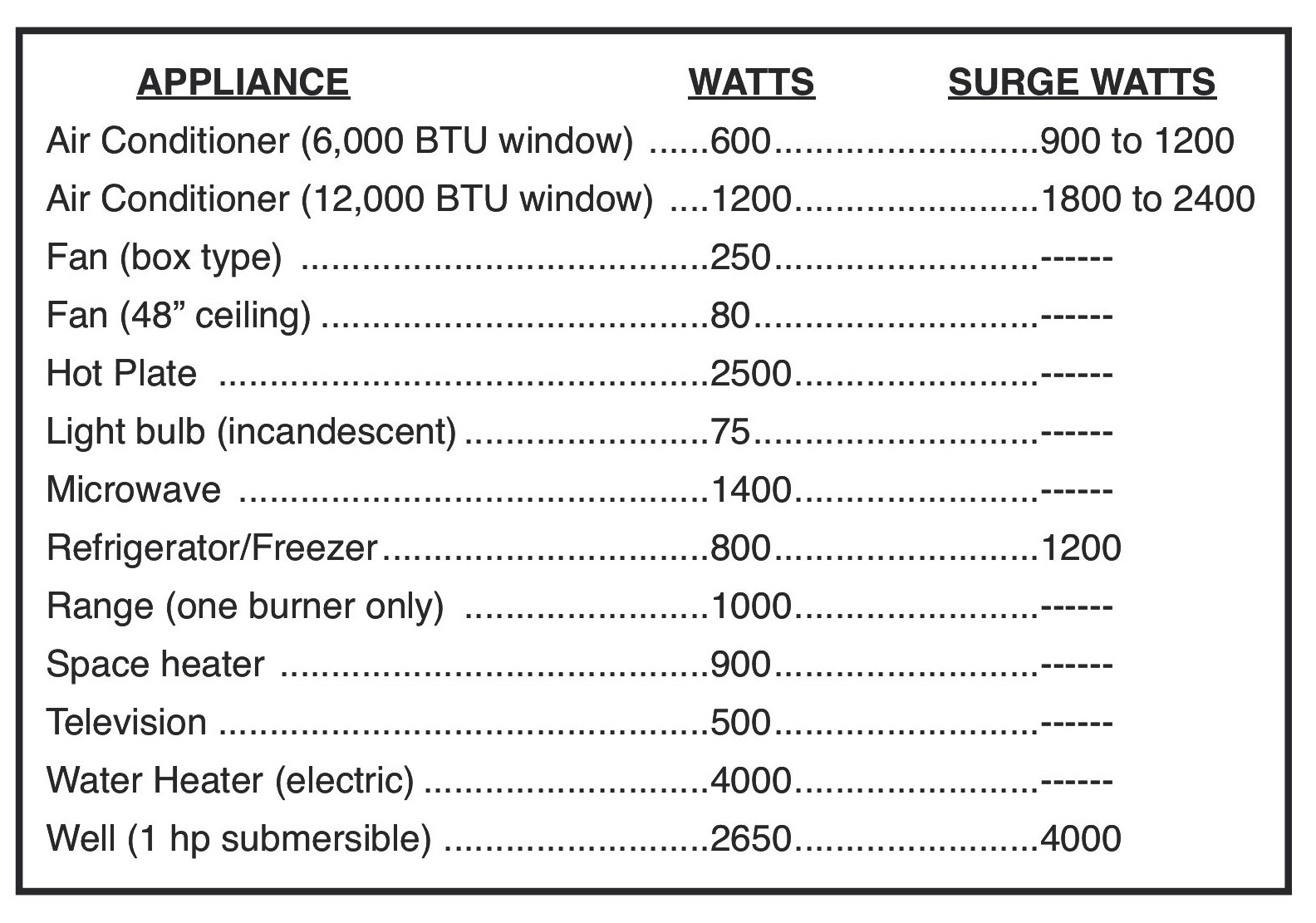
Image Source: www.howtolookatahouse.com
Deciphering 12000 BTU AC Power Consumption
When you’re looking to cool your home, understanding the power requirements of your air conditioner is key. A 12000 BTU air conditioner is a popular choice for medium-sized rooms, offering a good balance between cooling power and energy usage. But what does “BTU” actually mean in terms of electrical power, specifically watts? This article will dive deep into the world of 12000 BTU AC watts, helping you grasp the relationship between cooling capacity and electrical consumption.
What is BTU?
Before we get to watts, let’s clarify what BTU means. BTU stands for British Thermal Unit. It’s a unit of energy, and in the context of air conditioners, it measures the amount of heat an AC unit can remove from a room in one hour. The higher the BTU number, the more cooling power the unit has. A 12000 BTU AC can remove 12,000 British Thermal Units of heat per hour.
The BTU to Watts Conversion: It’s Not a Direct Swap
It’s a common misconception that there’s a simple, direct BTU to watts conversion for air conditioners, much like converting Fahrenheit to Celsius. However, this isn’t the case. BTU measures cooling capacity (heat removal), while watts measure electrical power consumption. They are related, but not directly interchangeable.
The relationship between BTU and watts is indirect. An air conditioner uses electrical energy (measured in watts) to perform work, which is removing heat (measured in BTUs). The efficiency of the AC unit determines how many watts it needs to produce a certain number of BTUs.
Fathoming 12000 BTU Cooling Power Watts
So, how many watts does a 12000 BTU air conditioner actually use? While there’s no single, fixed answer, we can look at typical ranges and the factors that influence them.
Generally, a 12000 BTU air conditioner will draw between 1000 to 1500 watts when it’s actively cooling. This range can be wider depending on the unit’s efficiency.
- Lower end (around 1000-1200 watts): These are typically more energy-efficient models.
- Higher end (around 1300-1500 watts): These might be older models or less efficient designs.
Interpreting 12000 BTU AC Energy Rating
The 12000 BTU AC energy rating is a crucial indicator of how efficiently a unit converts electrical energy into cooling. The most common rating you’ll see is the Energy Efficiency Ratio (EER) and the more modern Seasonal Energy Efficiency Ratio (SEER).
- EER (Energy Efficiency Ratio): This measures the AC’s cooling output (in BTUs) divided by its power input (in watt-hours) at a specific outdoor temperature (usually 95°F). A higher EER means a more efficient unit. For a 12000 BTU AC, a good EER might be 10 or higher.
- SEER (Seasonal Energy Efficiency Ratio): This is a more comprehensive measure that considers cooling performance over an entire cooling season, factoring in varying temperatures. Again, higher SEER ratings indicate greater efficiency.
How Energy Ratings Affect Wattage:
A unit with a higher EER or SEER rating will use fewer watts to achieve the same amount of cooling compared to a less efficient unit. For example, two 12000 BTU ACs might have different wattages. One might be rated at 1100 watts, while another, more efficient model, might only use 950 watts for the same cooling output.
How Much Electricity Does a 12000 BTU AC Use?
To calculate how much electricity a 12000 BTU AC uses, you need to consider its wattage and how long it runs.
Formula:
Kilowatt-hours (kWh) = (Wattage × Hours of Use) / 1000
Let’s take an example:
Scenario 1: A 12000 BTU AC running at 1200 watts for 8 hours.
kWh = (1200 watts × 8 hours) / 1000 = 9.6 kWhScenario 2: A more efficient 12000 BTU AC running at 1000 watts for 8 hours.
kWh = (1000 watts × 8 hours) / 1000 = 8.0 kWh
The cost of this electricity depends on your local electricity rates. If your electricity costs $0.15 per kWh:
- Scenario 1 Cost: 9.6 kWh × $0.15/kWh = $1.44
- Scenario 2 Cost: 8.0 kWh × $0.15/kWh = $1.20
This simple calculation shows how a difference in wattage can impact your electricity bill over time.
Factors Influencing 12000 BTU Air Conditioner Electrical Usage
Several factors influence how much electricity a 12000 BTU air conditioner electrical usage will be:
- Unit Efficiency (EER/SEER): As discussed, more efficient units use less power.
- Ambient Temperature: When it’s extremely hot outside, the AC unit has to work harder and will likely consume more power.
- Thermostat Setting: A lower thermostat setting (colder temperature) means the AC will run more frequently and for longer periods, increasing power consumption.
- Insulation and Sealing of the Room/House: A well-insulated and sealed room will retain cool air better, meaning the AC won’t need to run as often. Poor insulation leads to more frequent cycling and higher energy use.
- Sunlight Exposure: Rooms that get direct sunlight will heat up faster, requiring the AC to work harder.
- Number of Occupants and Heat-Generating Appliances: More people in a room, or appliances like computers, TVs, and ovens, generate heat, making the AC work more to maintain the desired temperature.
- Filter Cleanliness: Dirty air filters restrict airflow, making the unit less efficient and forcing it to work harder, thus using more electricity.
Using an AC Wattage Calculator
To get a more precise idea of your 12000 BTU AC power consumption, you can use an AC wattage calculator. Many online tools allow you to input your AC unit’s BTU, its EER or SEER rating, and the estimated hours of operation per day. These calculators then provide an estimate of your daily, monthly, or yearly electricity usage and cost.
Typical AC Wattage Calculator Inputs:
- BTU rating (e.g., 12000)
- EER or SEER rating (found on the unit’s energy guide label)
- Average daily operating hours
- Local electricity cost per kWh
Some calculators also factor in ambient temperature and insulation levels for more accurate results.
12000 BTU Appliance Wattage: What to Look For
When you’re shopping for a 12000 BTU air conditioner, pay close attention to the 12000 BTU appliance wattage listed on the energy guide label. This label provides essential information about the unit’s energy consumption.
Key information on the Energy Guide Label:
- BTU/Hr: Cooling capacity.
- EER or SEER: Energy efficiency ratio.
- Estimated Yearly Energy Consumption (kWh/year): This is a great way to compare different models directly.
- Estimated Yearly Operating Cost: This is calculated based on average usage and electricity rates.
Example Energy Guide Snippet for a 12000 BTU AC:
| Feature | Value |
|---|---|
| BTU/Hr | 12000 |
| EER | 11.0 |
| Estimated Yearly Energy Consumption | 950 kWh/year |
| Estimated Yearly Operating Cost | $114 (@ $0.12/kWh) |
This example shows a 12000 BTU AC with an EER of 11.0, consuming approximately 950 kWh per year. To find its average wattage, you could roughly estimate:
- Assuming a SEER rating and typical usage patterns, an EER of 11.0 for a 12000 BTU unit suggests a power draw of around 1090 watts (12000 BTU / 11.0 EER ≈ 1090 watts).
12000 BTU HVAC Power Requirements
When we talk about 12000 BTU HVAC power requirements, it’s important to remember that “HVAC” is a broader term that includes heating. However, when focusing on the cooling aspect of a 12000 BTU unit (often referred to as a window AC or portable AC), we are primarily concerned with its electrical draw in watts.
The power requirements are typically for a standard electrical outlet. Most 12000 BTU air conditioners are designed to run on a 115-volt or 120-volt circuit. It’s crucial to ensure your home’s electrical system can handle the load.
Circuit Requirements:
- Voltage: 115V or 120V
- Amperage: Typically requires a 15-amp or 20-amp dedicated circuit. Using a dedicated circuit means the AC unit is the only major appliance on that circuit. This prevents overloading and potential breaker trips.
- Plug Type: Most 12000 BTU units will have a NEMA 5-15P plug (standard three-prong plug) or a NEMA 5-20P plug (one prong is horizontal, indicating a 20-amp connection). Always check the plug type and ensure your outlet matches.
Important Note: Never plug a higher-wattage appliance into an outlet that isn’t rated for its power draw. Check your electrical panel to see which circuits are dedicated to specific outlets.
Comparing Wattage: 12000 BTU vs. Other Sizes
To put the power consumption of a 12000 BTU AC into perspective, let’s compare it to other common AC sizes:
| BTU Size | Typical Wattage Range | Typical Room Size (sq ft) |
|---|---|---|
| 5,000 | 500 – 700 watts | 100 – 150 |
| 8,000 | 700 – 1000 watts | 250 – 350 |
| 10,000 | 900 – 1200 watts | 350 – 450 |
| 12,000 | 1000 – 1500 watts | 450 – 550 |
| 15,000 | 1200 – 1800 watts | 550 – 700 |
| 18,000 | 1500 – 2200 watts | 700 – 1000 |
As you can see, a 12000 BTU AC falls in the mid-range for power consumption. Larger BTU units will naturally draw more power.
Optimizing Your 12000 BTU AC for Lower Wattage
You can take several steps to ensure your 12000 BTU air conditioner energy rating translates into the most efficient operation and lowest possible wattage:
- Regular Maintenance: Clean or replace the air filter monthly. A dirty filter restricts airflow, forcing the unit to work harder. Check for any obstructions around the outdoor unit (if applicable) and ensure it’s clean.
- Proper Installation: Ensure the unit is correctly sized for the room. An oversized AC will short-cycle (turn on and off frequently), which is inefficient. An undersized unit will struggle to cool and run constantly. A 12000 BTU unit is generally suitable for rooms between 450-550 square feet.
- Seal Air Leaks: Use weatherstripping and caulk to seal any gaps around windows, doors, and vents. This prevents cool air from escaping and hot air from entering.
- Use a Programmable Thermostat or Smart Thermostat: Set the thermostat to raise the temperature when you’re away or asleep. Even a few degrees can make a difference. Smart thermostats can learn your habits and optimize cooling.
- Minimize Heat Sources: During the hottest parts of the day, close blinds or curtains to block direct sunlight. Turn off unnecessary lights and electronics that generate heat.
- Ensure Proper Airflow: Don’t block the vents with furniture or other objects. Ensure the intake and exhaust vents are clear.
- Choose an Energy-Efficient Model: When buying a new AC, prioritize models with high EER and SEER ratings. While they might have a slightly higher upfront cost, they will save you money on electricity bills in the long run.
Understanding AC BTU and Watts: A Final Summary
To reiterate, understanding AC BTU and watts is about recognizing that BTU measures cooling output, while watts measure electrical input. A 12000 BTU AC is designed to remove 12,000 BTUs of heat per hour. Its electrical consumption, or wattage, is the power it draws from your outlet to achieve this.
- Typical wattage for a 12000 BTU AC: 1000 to 1500 watts.
- Key influencing factors: Energy efficiency rating (EER/SEER), ambient temperature, thermostat settings, and room insulation.
- Energy guide label: Your best resource for specific wattage and efficiency information.
- Electrical requirements: Ensure your home’s wiring can handle the unit’s voltage and amperage.
By paying attention to these details, you can make informed decisions about your air conditioning needs, optimize its performance, and keep your energy bills in check.
Frequently Asked Questions (FAQ)
Q1: How many watts does a 12000 BTU air conditioner use per hour?
A: A 12000 BTU air conditioner typically uses between 1000 and 1500 watts per hour when actively cooling. The exact amount depends on the unit’s efficiency and operating conditions.
Q2: Is a 12000 BTU AC a lot of electricity?
A: A 12000 BTU AC uses a moderate amount of electricity, comparable to other large appliances like electric ovens or clothes dryers. Its actual impact on your bill depends on how often and how efficiently it runs. Choosing an energy-efficient model (high EER/SEER) is key to minimizing electricity usage.
Q3: Can my home’s standard 15-amp circuit handle a 12000 BTU AC?
A: Most 12000 BTU air conditioners designed for standard outlets operate on 115V or 120V and draw between 10-13 amps. It’s generally recommended to run them on a dedicated 15-amp or 20-amp circuit. Always check the unit’s specifications and your electrical panel. If other high-draw appliances are on the same circuit, you might experience issues.
Q4: How do I calculate the cost of running a 12000 BTU AC?
A: You can calculate the cost by multiplying the AC’s wattage (in kilowatts) by the number of hours it runs, and then multiplying that by your electricity rate per kilowatt-hour (kWh). For example, if your AC uses 1200 watts (1.2 kW) and runs for 8 hours, and your electricity rate is $0.15/kWh: (1.2 kW * 8 hours) * $0.15/kWh = $1.44 for that 8-hour period.
Q5: What is the difference between BTU and Watts for an air conditioner?
A: BTU (British Thermal Unit) measures cooling capacity – how much heat the AC can remove from a room. Watts measure electrical power consumption – how much electricity the AC uses to operate. They are related by the efficiency of the unit but are not the same thing.

My name is Carlos Gadd, and I am the creator of AirPurityGuide.com.. With a passion for footwear, I share my experiences, insights, and expertise about shoes. Through my blog, I aim to guide readers in making informed decisions, finding the perfect pair, and enhancing their footwear knowledge. Join me on this journey to explore everything about shoes!