
How long do car air fresheners last? The answer varies greatly depending on the type of air freshener, its ingredients, how it’s used, and environmental factors, but generally, most car air fresheners can last anywhere from a few weeks to a few months.
Keeping your car smelling fresh is a desire many drivers share. From masking unpleasant odors to simply adding a pleasant aroma, car air fresheners are popular accessories. But how long can you expect that delightful scent to linger? This in-depth guide will explore the lifespan of various car air fresheners, the factors that influence their longevity, and how to get the most out of your chosen scent.
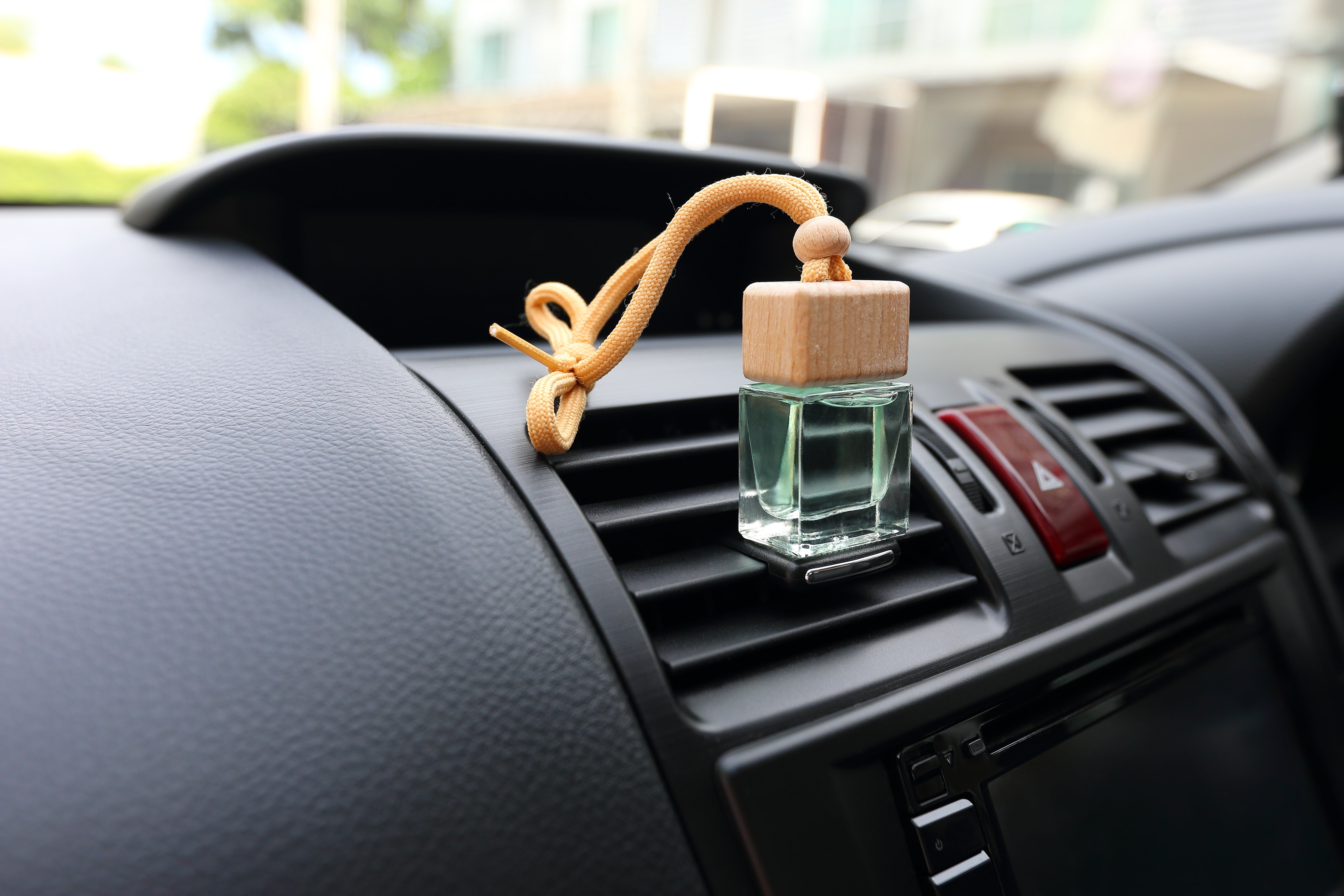
Image Source: carcologne.co.uk
Deciphering Car Air Freshener Lifespan
The car air freshener lifespan isn’t a one-size-fits-all answer. Different formats and formulations contribute to varying durations of fragrance. Let’s break down the typical lifespans of common types:
Hanging Air Fresheners (Cardboard/Felt): These are perhaps the most iconic car air fresheners. They typically last between 2 to 4 weeks. The fragrance is absorbed into the material and released slowly. Once the scent fades, the freshener itself may still be present, but its aromatic contribution is gone.
Vent Clips: These small devices clip onto your car’s air vents and use the airflow to disperse the scent. The duration of car spray air fresheners (which vent clips often mimic in scent intensity) can be a bit longer, typically ranging from 4 to 6 weeks, sometimes even up to 2 months for more potent formulations. The fan action can help spread the scent more effectively.
Gel Car Fresheners: These often come in small tubs or containers filled with a scented gel. The lifespan of gel car fresheners can be quite good, usually lasting 1 to 3 months. The gel slowly evaporates, releasing the fragrance. Heat can accelerate this evaporation, potentially shortening their life but also intensifying the scent initially.
Sprays and Aerosols: While offering an immediate burst of fragrance, the duration of car spray air fresheners is usually the shortest in terms of continuous scent. A spray typically lasts for a few hours to a day, depending on how much you use and the strength of the formulation. They are best for quick freshening rather than long-term aroma.
Reed Diffusers: Similar to home diffusers, these use rattan reeds to draw up scented oil and release it into the air. The car air freshener effectiveness of reed diffusers can last from 1 to 2 months, again, depending on the oil volume and evaporation rate.
Probiotic/Odor Eliminating Fresheners: These work differently, actively breaking down odor-causing molecules. Their lifespan is often measured not just by scent but by their active period, which can range from 1 to 3 months.
Factors Affecting Car Air Freshener Life
Several elements can influence how long your car air freshener remains potent. Fathoming these factors can help you manage expectations and potentially extend the life of your chosen scent.
Ambient Temperature
- Heat: Higher temperatures accelerate the evaporation of fragrant oils and essential oils. While this means a stronger initial scent, it also means the freshener will deplete faster. Leaving your car in direct sunlight on a hot day can significantly reduce the lifespan of most air fresheners.
- Cold: Conversely, very cold temperatures can slow down the release of fragrance. You might notice a less potent scent in winter, but the freshener might last a little longer.
Airflow and Ventilation
- Constant Airflow: Air fresheners placed near vents or windows where there’s consistent airflow will disperse their scent more quickly. This can lead to a quicker fade-out, but also a more evenly distributed fragrance.
- Stagnant Air: In a car with less airflow, the scent might linger for longer but can also become concentrated and overwhelming.
Scent Intensity and Formulation
- Concentration: Air fresheners with higher concentrations of fragrance oils will naturally last longer and provide a stronger scent.
- Type of Scent: Some scent profiles, like those with heavier base notes (e.g., musk, sandalwood), tend to be more persistent than lighter, more volatile top notes (e.g., citrus, light florals).
- Proprietary Blends: Manufacturers use various carrier agents and release mechanisms. Some are designed for slow, sustained release, while others prioritize a strong initial impact.
Placement within the Vehicle
- Sun Exposure: Placing an air freshener directly in the sun, even through a tinted window, will subject it to intense heat and accelerate evaporation.
- Proximity to Odor Sources: While it might seem logical, placing a freshener directly next to a source of bad odors can sometimes cause the freshener to absorb the unpleasant smell and become less effective or smell “off.”
Usage Habits (for Sprays)
- Frequency and Amount: For spray air fresheners, the more often you use them and the more you spray, the faster the product will be depleted.
Quality of the Air Freshener
- Brand Reputation: Higher-quality brands often use better fragrance formulations and release mechanisms, potentially leading to a longer car air freshener effectiveness.
- Artificial vs. Natural Fragrances: Natural essential oils can sometimes be more volatile than synthetic fragrances, potentially leading to a shorter lifespan, though this isn’t always the case.
How Long Do Hanging Air Fresheners Last?
As mentioned, hanging air fresheners, typically made of pressed cardboard or absorbent felt, are popular for their ease of use. These rely on the material absorbing scented oils.
- Typical Duration: Expect a hanging air freshener lifespan of around 2 to 4 weeks.
- Why They Fade: The fragrance oils gradually evaporate from the porous material. Once the oils are gone, the scent disappears, even though the physical freshener remains.
- Maximizing Life:
- Keep them out of direct sunlight.
- Avoid extreme temperatures.
- You can try lightly covering them when not in use for extended periods, though this is often impractical.
How Long Do Vent Clips Last?
Car vent clips are designed to integrate with your car’s HVAC system. They typically contain a gel or a scented pad that releases fragrance when air passes over it.
- Typical Duration: The duration of car spray air fresheners that vent clips often replicate can last for 4 to 6 weeks, sometimes longer.
- Mechanism: The airflow from your vents helps to volatilize the scent compounds. The intensity can be controlled by adjusting your fan speed.
- Factors Influencing Life:
- Fan Speed: Higher fan speeds will disperse the scent faster, potentially shortening its effective life but providing a stronger aroma.
- Recirculation Mode: Using the “recirculation” mode can sometimes create a more concentrated environment for the scent.
- Temperature: As with other fresheners, extreme temperatures can impact their longevity.
Lifespan of Gel Car Fresheners
Gel air fresheners are a common choice, offering a solid or semi-solid form of fragrance.
- Typical Duration: The lifespan of gel car fresheners is often quite good, typically between 1 to 3 months.
- How They Work: The fragrance is suspended within a gel matrix. As the gel slowly evaporates or sublimates (changes directly from solid to gas), the scent is released.
- Considerations:
- Heat Impact: In hot weather, the gel can “sweat” or melt, releasing scent more rapidly. This might make it seem like it’s lasting less time, but it’s a concentrated release.
- Quality of Gel: The type of gelling agent and the concentration of fragrance oil will affect how long it lasts.
Do Car Fresheners Expire?
This is a crucial question for consumers. Do car fresheners expire? Yes, most car air fresheners have a shelf life, though it’s less about spoilage and more about degradation of the fragrance.
- Unopened Fresheners: An unopened car air freshener, stored in a cool, dark place, can remain effective for several years. The fragrance compounds may slowly degrade over time, meaning the scent might not be as vibrant as when it was manufactured, but it will likely still be present.
- Opened Fresheners: Once opened and exposed to air, temperature fluctuations, and light, the degradation process begins immediately. The fragrance oils will start to evaporate.
Key Indicators of a “Expired” Air Freshener:
- No Scent: The most obvious sign is a complete lack of fragrance.
- Weakened Scent: The fragrance is barely perceptible, even in ideal conditions.
- Altered Scent: The smell might have changed, becoming musty, chemical, or unpleasant. This can happen if the fragrance oils break down or if the carrier agents degrade.
While not “unsafe” in the way expired food is, an expired air freshener simply won’t perform its intended function.
Best Long-Lasting Car Air Fresheners
When seeking the best long-lasting car air fresheners, consider these categories and features:
- Concentrated Gel or Solid Block Fresheners: These often offer the longest continuous scent release. Brands like California Scents, Yankee Candle car jars, or certain solid block fresheners are known for their longevity.
- Vent Clips with Strong Formulations: Some higher-end vent clips use concentrated fragrance oils that are designed to release slowly over an extended period.
- Probiotic Odor Eliminators: While not purely for fragrance, these often last a good while and actively improve air quality, providing a dual benefit.
- Oil-Based Diffusers (with caution): If you find a reliable car-specific oil diffuser, these can be long-lasting, but be mindful of potential leaks or heat damage.
Features to Look For:
- Adjustable Intensity: Allows you to control how quickly the scent is released.
- Concentrated Fragrance Oils: Indicates a more potent and potentially longer-lasting scent.
- Good Reviews: Check user reviews specifically mentioning longevity.
Car Air Freshener Fade Time: What to Expect
The car air freshener fade time refers to how long it takes for the scent to become noticeably weaker or disappear altogether.
- Initial Burst vs. Sustained Release: Some fresheners provide a strong initial scent that quickly fades, while others offer a subtle but consistent aroma for a longer period.
- Evaporation Rate: The rate at which the fragrance oils evaporate is the primary driver of fade time. Factors like temperature, airflow, and the specific chemicals used in the fragrance formulation play a significant role.
- Perception: Our sense of smell can also adapt. What initially seems strong might become less noticeable to you over time, even if the freshener is still releasing scent. Rotating fresheners or taking breaks can help reset your olfactory senses.
Factors Affecting Car Air Freshener Life: A Deeper Dive
Let’s revisit the factors affecting car air freshener life with more detail.
Material and Absorption
- Porous Materials: Hanging fresheners and some diffusers rely on porous materials like cardboard, felt, wood, or ceramic to hold and slowly release fragrance oils. The more porous the material, the faster the release, but also the more effective the initial scent diffusion.
- Gel Matrices: Gel fresheners use a polymer or gelling agent to hold the fragrance. The stability of this matrix is key to slow release.
Chemical Composition of Fragrance
- Volatility: Fragrance oils are complex mixtures. Components with higher volatility (lighter molecules) evaporate faster, contributing to top notes that fade quickly. Heavier molecules (base notes) are less volatile and contribute to the longer-lasting “dry down” of a scent.
- Stabilizers and Carriers: High-quality fresheners may contain stabilizers or carriers that help control the release rate of the fragrance oils, prolonging their life.
Environmental Variables
- Humidity: High humidity can sometimes slow down evaporation, while very dry air can speed it up, especially for gels.
- Direct Sunlight: This is a significant factor. UV rays can degrade fragrance compounds, and the heat generated by sunlight dramatically increases evaporation.
Maintenance and Handling
- Avoid Contamination: Touching the scented material directly with oily hands can introduce contaminants that alter the scent or clog the pores of absorbent materials.
- Proper Storage: For unopened fresheners, store them in a cool, dark place to maximize shelf life.
Maintaining Your Car’s Fresh Scent
Beyond just knowing how long fresheners last, here are tips for maintaining a pleasant aroma in your vehicle:
- Start with a Clean Car: The most effective way to keep your car smelling good is to eliminate the source of bad odors. Regularly vacuum your carpets and upholstery, clean spills, and remove trash.
- Address Odor Sources: If you have persistent odors like smoke or pet smells, use specialized odor eliminators or professional cleaning services before relying solely on air fresheners.
- Rotate Fresheners: If you find a scent is no longer noticeable, consider replacing it. You can also switch between different scents to prevent olfactory fatigue.
- Use Fresheners Strategically: Place fresheners in areas with good air circulation but out of direct sunlight.
- Layer Scents (with caution): Some people like to use a vent clip for continuous scent and a spray for quick bursts, but be mindful of not creating an overwhelming fragrance mix.
Popular Car Air Freshener Types and Their Estimated Lifespans
To summarize, here’s a table to help you visualize the typical lifespans:
| Air Freshener Type | Estimated Lifespan | How it Works |
|---|---|---|
| Hanging (Cardboard/Felt) | 2-4 weeks | Scent absorbed into porous material, evaporates |
| Vent Clips | 4-6 weeks (up to 2 months) | Airflow from vents disperses scent |
| Gel Car Fresheners | 1-3 months | Gel slowly evaporates or sublimes |
| Sprays/Aerosols | Hours to 1 day (per use) | Direct application of fragrance |
| Reed Diffusers | 1-2 months | Reeds wick scented oil into the air |
| Probiotic/Odor Eliminators | 1-3 months | Active breakdown of odor molecules |
| Scented Balls/Pads (Clip-on) | 2-4 weeks | Similar to vent clips, relies on airflow |
Frequently Asked Questions (FAQ)
Q1: Can I reactivate a faded car air freshener?
A1: For some types, like hanging fresheners or scent pads, you might be able to add a few drops of essential oil to the material to revive the scent temporarily. However, this is often a short-term fix and the original fragrance may be altered. Gel and spray fresheners cannot typically be reactivated.
Q2: Why does my car air freshener smell weak so quickly?
A2: This is usually due to high temperatures, direct sunlight, or consistent airflow through your car’s vents. The fragrance oils are likely evaporating at an accelerated rate.
Q3: Are expensive car air fresheners always longer-lasting?
A3: Not necessarily. While higher-quality brands may use better formulations, the longevity also depends on the type of air freshener and the factors mentioned above. A well-formulated gel freshener from a mid-range brand might last longer than a cheap hanging freshener from a premium brand. It’s often a balance of formulation and type.
Q4: Should I remove air fresheners during extreme weather?
A4: It’s a good idea to remove air fresheners, especially hanging ones or gels, if your car will be subjected to extreme heat or prolonged freezing temperatures. High heat can cause them to degrade or leak, while extreme cold can freeze and damage the formulation.
Q5: How do I choose the best long-lasting car air freshener for my needs?
A5: Consider what type of scent release you prefer. If you want a consistent, subtle scent, a gel or reed diffuser might be best. If you prefer a stronger scent activated by your car’s system, a vent clip is a good option. Always check product reviews for feedback on longevity.
By knowing how long your car air fresheners are expected to last and what influences their lifespan, you can better choose and manage them to keep your car smelling pleasant for as long as possible.

My name is Carlos Gadd, and I am the creator of AirPurityGuide.com.. With a passion for footwear, I share my experiences, insights, and expertise about shoes. Through my blog, I aim to guide readers in making informed decisions, finding the perfect pair, and enhancing their footwear knowledge. Join me on this journey to explore everything about shoes!