
What is the general timeframe for defrosting an air conditioner? Generally, a frozen air conditioner can take anywhere from 4 to 24 hours to fully defrost. The exact duration depends on several factors, including the severity of the ice buildup, the ambient temperature and humidity, and the specific settings you use to facilitate the defrosting process.
When your air conditioner starts acting up, making strange noises, or simply not cooling your home, a frozen evaporator coil is often the culprit. This occurs when warm, moist air can’t flow properly over the cold coils, causing condensation to freeze and build up. This ice buildup on AC units can significantly hinder performance and, if left unaddressed, can damage your system. So, how long to defrost air conditioner is a common and crucial question for homeowners and businesses alike.
This in-depth guide will walk you through everything you need to know about AC defrosting time, from identifying the problem to speeding up the process and preventing future freezes. We’ll cover freezer coil thawing, defrosting a frozen AC unit, and what to expect regarding AC refrigerant defrost and AC cycle defrosting. Whether you have a residential AC defrost need or are dealing with a commercial AC defrost scenario, or even need to address the defrosting AC outdoor unit, we’ve got you covered.
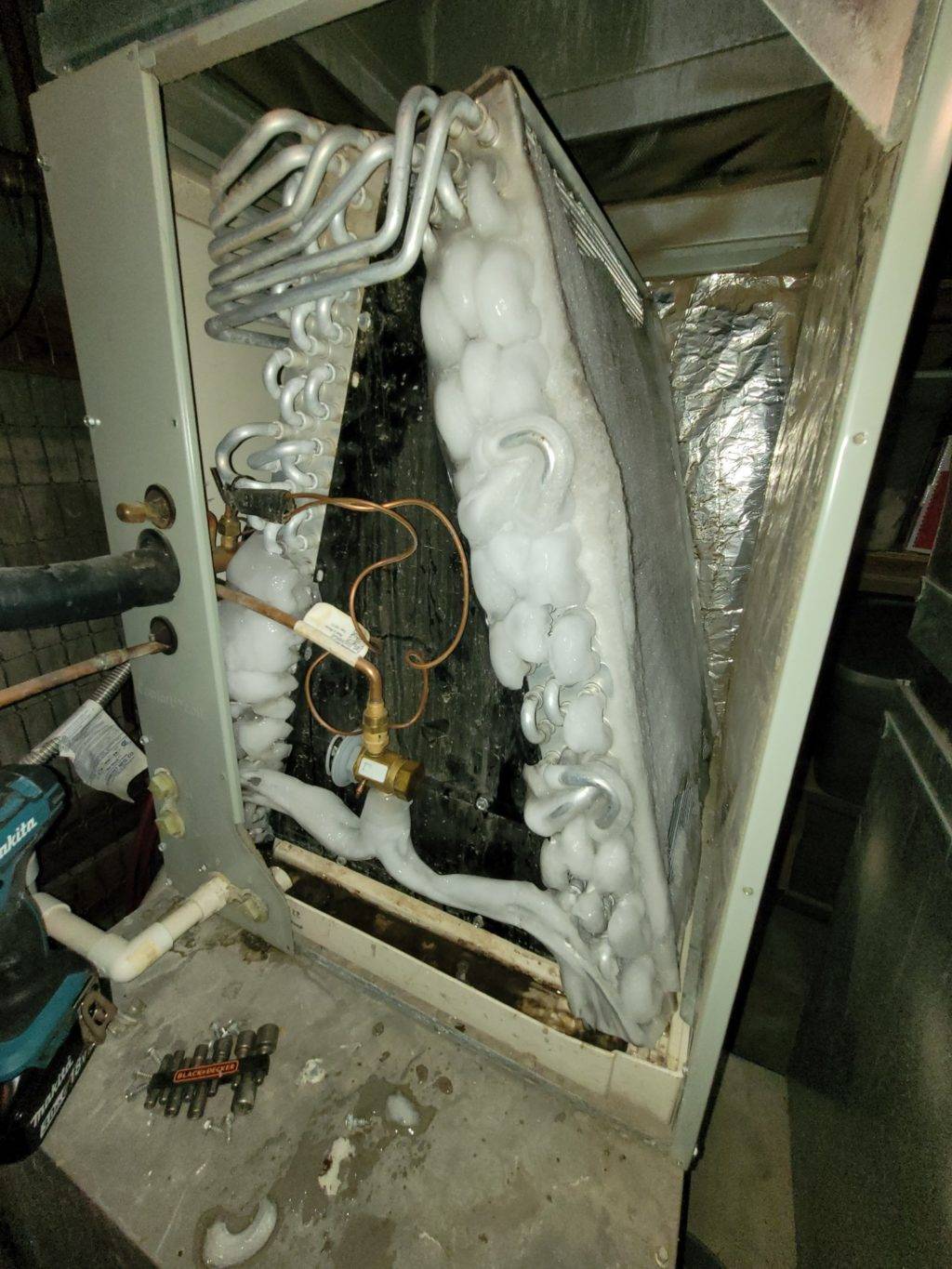
Image Source: www.manmadediy.com
Recognizing the Signs of a Frozen AC Unit
Before you can address a frozen AC, you need to know if that’s the problem. Several tell-tale signs indicate your unit might be frozen:
- Reduced Cooling: Your AC might blow air, but it won’t feel cold, or the cooling output will be significantly less than usual.
- Ice on the Unit: Visible ice on the refrigerant lines (the copper pipes connecting the indoor and outdoor units) or on the indoor evaporator coil itself is a dead giveaway.
- Water Leaks: As the ice melts, it can drip and create puddles around your indoor unit.
- Unusual Noises: You might hear hissing or gurgling sounds coming from the unit as ice forms and breaks apart.
- The Fan Runs, But No Cold Air: This is a classic symptom, indicating the system is running but the cooling process is blocked by ice.
Why Does My AC Freeze Up? Common Causes Explained
Several factors can contribute to ice buildup on AC units. Understanding these causes is the first step to preventing them:
1. Restricted Airflow
This is by far the most common reason for AC units freezing. When warm air can’t reach the evaporator coil, the coil’s temperature drops below freezing, and the moisture in the air turns into ice.
- Dirty Air Filters: A clogged air filter is the primary offender. It acts like a dam, preventing air from passing through.
- Blocked Vents or Registers: Furniture, curtains, or other objects blocking return or supply vents restrict airflow.
- Dirty Evaporator Coils: Dust and debris can coat the evaporator coils, making it harder for air to flow over them.
- Fan Malfunctions: If the indoor blower fan isn’t working correctly, it won’t push air across the coils.
2. Low Refrigerant Levels
Refrigerant is the substance that absorbs heat from your home. If your system has a refrigerant leak and the levels are low, the pressure in the system drops. This can cause the evaporator coil to get too cold, leading to freezing.
- Refrigerant Leaks: These can occur due to corrosion, damage to the lines, or faulty components.
- Improperly Charged System: If the system wasn’t charged correctly during installation or a previous repair, it can lead to low refrigerant.
3. Clogged Condensate Drain Line
The condensate drain line removes moisture collected on the evaporator coil. If it gets clogged with algae, dirt, or debris, water can back up. In some cases, this standing water can freeze, further contributing to coil freezing.
4. Thermostat Issues
While less common, a malfunctioning thermostat can sometimes cause the AC to run continuously without cycling off, leading to excessive cooling and potential freezing.
5. Extreme Cold Weather Operation
Running your air conditioner when outdoor temperatures are too low (typically below 60-65°F or 15-18°C) can cause the system to operate outside its designed parameters, leading to freezing.
How Long to Defrost Air Conditioner: The Process and Timelines
So, you’ve identified that your AC is frozen. Now, the big question: how long to defrost air conditioner?
The AC defrosting time is not an exact science, but we can provide a general estimate.
- Minimum Time: In mild cases with a thin layer of ice and good ambient conditions (warm, dry air), a frozen AC unit might defrost on its own within 4 to 8 hours.
- Average Time: For moderate ice buildup, expect it to take 8 to 16 hours.
- Severe Cases: If there’s a thick, solid block of ice, it could take 16 to 24 hours, or even longer.
It’s crucial to remember that defrosting a frozen AC unit requires patience. Forcing the process or trying to chip away the ice can cause significant damage to the delicate evaporator coils.
Factors Influencing AC Defrosting Time
Several factors dictate how long does AC defrost take:
- Severity of Ice Buildup: The thicker the ice, the longer it will take to melt.
- Ambient Temperature: Warmer temperatures will speed up the melting process.
- Humidity Levels: High humidity can slow down thawing as the warm air entering the unit will carry more moisture, potentially refreezing.
- Airflow: Good airflow over the coils (once the blockage is cleared) will help the ice melt more efficiently.
- Fan Speed: Higher fan speeds generally help move air over the coils and speed up thawing.
Steps to Defrost Your Frozen Air Conditioner
If you’re dealing with ice buildup on AC, here’s a step-by-step guide on how to approach defrosting a frozen AC unit safely and effectively.
Step 1: Turn Off the AC (Cooling Mode)
The very first thing you must do is turn off your air conditioner at the thermostat. Set it to the “Off” position. This prevents the compressor from running and further cooling the coils, which would only worsen the freezing.
Step 2: Turn On the Fan (Circulate Air)
Next, switch your thermostat’s fan setting from “Auto” to “On.” This will keep the indoor blower fan running, circulating air through the system. This airflow is essential for melting the ice. Some people recommend switching to “Heat” for a very short period, but this can be risky as it might damage the compressor if done incorrectly or for too long. Stick to the fan-only setting.
Step 3: Open Windows and Doors (Optional, but Recommended)
To help speed up the defrosting process, you can open windows and doors in your home. This allows warmer, drier outside air to circulate throughout your house, which in turn flows over the frozen coils, aiding in the thawing.
Step 4: Wait and Monitor
Now, the waiting game begins. The AC defrosting time can vary significantly. Resist the urge to check the unit constantly or try to manually remove the ice. Let the fan-only setting and the ambient air do the work. You’ll likely see water dripping from your indoor unit as the ice melts. Ensure a bucket or towels are placed to catch any excess water.
Step 5: Check for Blockages and Clean (After Thawing)
Once all the ice has melted, the true cause of the freezing needs to be identified and addressed. This is crucial to prevent recurring issues.
- Replace or Clean the Air Filter: This is the most common culprit. If it’s dirty, replace it immediately. If it’s a washable filter, clean it thoroughly.
- Inspect and Clean Evaporator Coils: If you’re comfortable doing so (or hire a professional), check the evaporator coils for dust and grime. A soft brush or a specialized coil cleaner can be used.
- Check for Blocked Vents: Ensure all your air vents are clear of furniture or other obstructions.
- Inspect the Condensate Drain Line: Look for clogs. You can often clear minor clogs by using a wet/dry vacuum on the exterior drain outlet or by pouring a mixture of vinegar and water into the drain pan.
Step 6: Turn the AC Back On (Cooling Mode)
After you’ve addressed potential blockages and are confident the ice is gone, you can set your thermostat back to “Cool” mode. Monitor the unit to ensure it’s operating correctly and cooling your home.
When to Call a Professional
While you can often handle minor defrosting yourself, there are times when professional help is essential:
- Recurring Freezing: If your AC unit freezes up repeatedly, it indicates a more serious underlying problem like a refrigerant leak, a faulty fan motor, or complex coil issues.
- Suspected Refrigerant Leak: If you suspect a refrigerant leak (low cooling, hissing sounds), do not attempt to fix it yourself. Refrigerant is a chemical that requires specialized handling and equipment. Professionals can detect leaks and recharge the system.
- Electrical Issues: If you notice any electrical problems or are uncomfortable with any part of the troubleshooting process.
- Complex Commercial Systems: For commercial AC defrost needs, especially in larger systems, it’s always best to involve certified HVAC technicians.
Understanding AC Refrigerant Defrost
The term “AC refrigerant defrost” can be slightly misleading if taken literally. Air conditioners don’t typically “defrost” the refrigerant itself. Instead, the refrigerant’s temperature and pressure are key to the cooling cycle. When a system freezes, it’s the evaporator coil (where the refrigerant absorbs heat) that accumulates ice.
The process of defrosting a frozen AC unit essentially involves temporarily stopping the cooling cycle and allowing ambient air warmed by the fan to melt the ice off the evaporator coil. Once the coil is clear, normal refrigerant flow and heat absorption can resume.
Some high-efficiency or specialized AC systems (often found in colder climates or for commercial use) may have defrost cycles built into their operation to prevent freezing during cooler weather. These are automatic processes controlled by sensors and the system’s logic board.
AC Cycle Defrosting: What It Means
“AC cycle defrosting” typically refers to the automatic defrost cycles found in certain types of HVAC equipment, particularly heat pumps operating in heating mode during cold, humid conditions. In this scenario, the outdoor coil can freeze up. The system temporarily reverses its cycle, acting like an air conditioner for a short period, to send warm refrigerant through the outdoor coil and melt any ice.
While this is a common feature for heat pumps in heating mode, residential air conditioners in cooling mode don’t typically have an automatic “cycle defrosting” feature for their indoor coils. Their defrosting relies on user intervention or the system shutting down due to a safety mechanism.
Defrosting AC Outdoor Unit: A Different Scenario
When we talk about defrosting AC outdoor unit, we are usually referring to heat pumps in their heating mode. If you have a central air conditioner, the outdoor unit doesn’t typically freeze over unless there’s a significant problem with airflow or refrigerant.
If your heat pump’s outdoor unit has a thick layer of ice, especially if it’s during a cold, damp day:
- Set the thermostat to “Emergency Heat” or “Heat Only.” This turns off the outdoor unit and relies on auxiliary heat strips.
- Allow the outdoor unit to run without the fan. This will stop the circulation of cold air over the coils, and the ambient air will begin to melt the ice.
- Check for airflow obstructions: Ensure there are no leaves, debris, or snowdrifts blocking the fins of the outdoor unit.
- Call a professional: If the ice buildup is severe or persistent, it could indicate a refrigerant leak or a malfunctioning component in the outdoor unit.
Preventing Future AC Freezing
The best approach to dealing with a frozen AC is to prevent it from happening in the first place. Implementing these preventative measures can save you time, money, and discomfort.
Regular Air Filter Replacement
- Frequency: Check your air filter monthly, especially during peak cooling seasons. Replace it every 1-3 months, or sooner if it looks dirty.
- Importance: A clean filter ensures proper airflow, the most critical factor in preventing frozen coils.
Keep Vents and Registers Unobstructed
- Furniture Placement: Arrange furniture so it doesn’t block return air grilles or supply registers.
- Curtains and Blinds: Ensure curtains or blinds don’t impede airflow from vents.
- Seasonal Check: Do a quick walk-through of your home at the beginning of each cooling season to check for any new obstructions.
Annual HVAC Maintenance
- Professional Check-ups: Schedule an annual tune-up with a qualified HVAC technician. They will clean the evaporator coils, check refrigerant levels, inspect the fan motor, and ensure the condensate drain line is clear.
- Early Detection: Regular maintenance can catch minor issues before they lead to major problems like freezing.
Monitor Refrigerant Levels
- Professional Diagnosis: Only HVAC technicians can accurately check and maintain refrigerant levels. If your AC isn’t cooling effectively, suspect a leak and call a professional.
- Avoid DIY Refrigerant Additions: Unless you are trained, attempting to add refrigerant can lead to overcharging or undercharging, both of which can cause further damage.
Ensure Proper Drainage
- Condensate Line: After defrosting and cleaning, ensure your condensate drain line is clear. Some technicians recommend a monthly flush with a diluted bleach or vinegar solution during the cooling season to prevent clogs.
Avoid Running AC in Low Temperatures
- Operating Limits: As mentioned, avoid running your AC when outdoor temperatures are below 60-65°F (15-18°C). If you need cooling during cooler periods, consider using the fan or opening windows.
What to Do If Your AC Freezes Repeatedly
If your AC unit freezes up more than once or twice in a cooling season, it’s a strong indicator of an underlying issue that needs professional attention.
- Refrigerant Leak: This is often the most common reason for repeated freezing. A leak causes the system pressure to drop, leading to extremely cold coils.
- Dirty Evaporator Coil: Even with regular filter changes, the evaporator coil can accumulate dirt over time. This reduces the surface area for heat absorption and can lead to freezing.
- Blower Motor Problems: If the indoor fan isn’t running at the correct speed or is intermittently failing, it won’t move enough air over the coils.
- Faulty Thermostat or Controls: Less common, but a malfunctioning control board or thermostat could keep the system running too long without proper cycling.
A qualified HVAC technician can diagnose the root cause of persistent freezing and perform the necessary repairs. Ignoring the problem can lead to more severe damage and costly repairs down the line.
Conclusion
Dealing with ice buildup on AC can be a frustrating experience, but knowing how long to defrost air conditioner and the steps involved is crucial. Generally, expect an AC defrosting time of 4 to 24 hours, depending on the severity of the freeze. Always start by turning off the cooling mode and running the fan to facilitate freezer coil thawing.
Remember, prevention is key. Regular maintenance, clean air filters, and ensuring unobstructed airflow are the best ways to keep your residential AC defrost needs at bay. If you suspect a refrigerant leak or if your AC unit repeatedly freezes, don’t hesitate to contact a qualified HVAC professional. They have the expertise and tools to diagnose and fix complex issues related to defrosting a frozen AC unit, ensuring your system runs efficiently and reliably throughout the cooling season, whether it’s a small residential AC defrost or a large commercial AC defrost, or even addressing the defrosting AC outdoor unit of a heat pump.
Frequently Asked Questions (FAQ)
Q1: How long should I wait before turning my AC back on after it freezes?
A1: Wait until you are sure all ice has melted. This can take anywhere from 4 to 24 hours. You should see no visible ice on the coils or refrigerant lines.
Q2: Can I use a hairdryer or heat gun to speed up AC defrosting?
A2: It’s generally not recommended. While it might seem like a good idea, applying direct heat can damage the delicate fins of the evaporator coil, leading to costly repairs. Stick to using the fan-only setting and ambient air.
Q3: My AC froze up again after defrosting. What should I do?
A3: If your AC freezes up repeatedly, it indicates an underlying problem that needs professional attention. This could be a refrigerant leak, a dirty coil, or a fan issue. Call a qualified HVAC technician.
Q4: What is the difference between defrosting an AC and a heat pump?
A4: For a standard air conditioner in cooling mode, defrosting involves melting ice off the indoor evaporator coil. For a heat pump in heating mode, defrosting usually refers to melting ice off the outdoor unit, which is often an automatic process initiated by the system itself.
Q5: Is it safe to run my AC in the winter?
A5: It is generally not recommended to run a standard air conditioner in cooling mode when outdoor temperatures are below 60-65°F (15-18°C). Doing so can cause the system to freeze up.
Q6: How do I know if my air filter is dirty?
A6: Check the filter monthly. If it appears grey or clogged with dust and debris, it’s time to replace or clean it. A dirty filter is a primary cause of AC freezing.
Q7: Can a clogged drain line cause my AC to freeze?
A7: Yes, a clogged condensate drain line can cause water to back up, which in turn can contribute to freezing on the evaporator coil, especially if the drain issue exacerbates airflow problems.

My name is Carlos Gadd, and I am the creator of AirPurityGuide.com.. With a passion for footwear, I share my experiences, insights, and expertise about shoes. Through my blog, I aim to guide readers in making informed decisions, finding the perfect pair, and enhancing their footwear knowledge. Join me on this journey to explore everything about shoes!