
If your air conditioner is surging, it means the AC compressor kicking on and off more frequently than it should, or the HVAC unit cycling rapidly. This can be caused by various issues, from simple maintenance problems to more complex component failures.
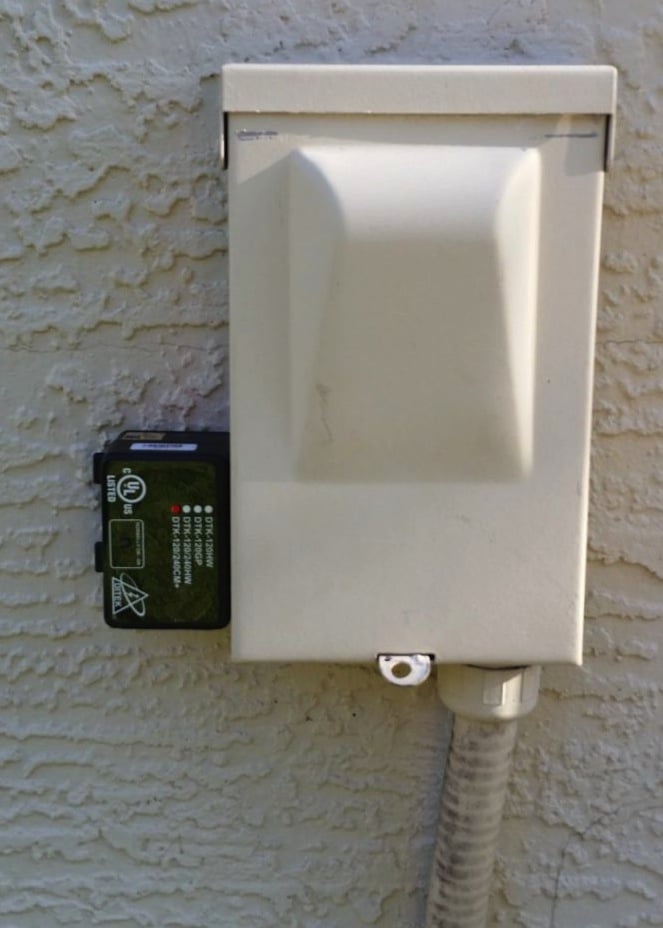
Image Source: www.thecomfortauthority.com
Deciphering Your Air Conditioner’s Surging Behavior
Experiencing an air conditioner that surges can be perplexing and concerning. This intermittent operation, often referred to as air conditioner frequent starts, disrupts your home’s comfort and can lead to higher energy bills and potential damage to your system. Understanding why your AC is acting this way is the first step toward resolving the problem. Several factors can cause your AC to surge, ranging from minor issues like a dirty air filter to more significant problems like a faulty AC capacitor or refrigerant leaks.
The Impact of Voltage Fluctuations on Your AC Unit
Electrical power isn’t always steady. Voltage fluctuations AC unit can occur due to various reasons, including issues with your home’s electrical wiring, problems with the power grid, or even the demands placed on your electrical system by other appliances. When your AC unit receives inconsistent voltage, it can struggle to maintain its operational cycle. This inconsistency can manifest as the compressor cycling on and off erratically. Low voltage can prevent the compressor from starting correctly, causing it to hum and then shut down, only to try again moments later. High voltage, on the other hand, can stress components and lead to overheating.
The Role of the Thermostat in AC Power Surges
Your thermostat acts as the brain of your HVAC system, telling it when to cool and when to stop. Sometimes, the issue might stem from the thermostat itself. A faulty thermostat or one that is not calibrated correctly can send incorrect signals to your AC unit. For example, if the thermostat’s internal sensor is misreading the room temperature, it might repeatedly tell the AC to turn on and off, creating a surge-like effect. This can also be related to thermostat air conditioner power surges, where an internal malfunction within the thermostat causes it to send abrupt power signals.
Is a Dirty Air Filter Causing AC Surging?
One of the most common and easily fixable causes of AC problems is a dirty air filter. An air filter’s job is to trap dust, dirt, and other airborne particles, preventing them from entering your AC system and circulating through your home. When a filter becomes clogged, it restricts airflow. This restriction forces your AC unit to work harder to draw air into the system.
How a Clogged Filter Disrupts Airflow
- Reduced Air Intake: The fan has to struggle to pull air through the dense filter.
- Overheating: The strain on the system can cause components, particularly the compressor, to overheat.
- Coil Freezing: Poor airflow can lead to the evaporator coils freezing over, further impeding air movement and causing the unit to cycle on and off as it overheats or the system tries to protect itself.
- Pressure Imbalances: Restricted airflow creates pressure imbalances within the system, which can trigger safety shut-offs or cause the compressor to cycle abnormally.
A simple check of your air filter and replacing it if it’s dirty can often resolve issues of AC surging, especially if you notice a decrease in cooling performance alongside the erratic cycling.
Faulty AC Capacitor: A Common Culprit for AC Surging
The start capacitor and run capacitor are vital electrical components within your air conditioner. The start capacitor gives the compressor and fan motor the initial boost of energy they need to begin running. The run capacitor helps them maintain their operational speed once they are going.
Signs of a Failing Capacitor
- Humming Noises: The unit might hum or buzz but fail to start.
- Delayed Starting: The AC might take a long time to kick on.
- Intermittent Operation: The AC cycles on and off frequently, much like surging.
- Overheating: The compressor can overheat due to insufficient starting power.
A faulty AC capacitor can prevent the compressor or fan motor from starting or running efficiently. If the start capacitor fails, the motor might try to engage, draw power, and then shut off, only to repeat the process. If the run capacitor is weak, the motor may run slowly or overheat. Capacitors are relatively inexpensive parts, but they require careful handling due to the stored electrical charge they hold. Replacing a faulty capacitor is a common repair performed by HVAC technicians.
AC Refrigerant Leak Surge: The Silent Killer
Refrigerant is the lifeblood of your air conditioning system. It’s the substance that circulates through the coils, absorbing heat from your home and releasing it outside. If there’s an AC refrigerant leak surge, it means the system is losing this critical substance.
How a Leak Leads to Surging
- Low Refrigerant Levels: When refrigerant levels drop too low, the system can’t cool effectively.
- Pressure Drop: The low refrigerant causes a drop in system pressure, which can be detected by safety switches.
- Compressor Protection: The AC unit’s safety mechanisms might shut down the compressor to prevent damage when pressures are too low.
- Rapid Cycling: The system might then attempt to restart, only to shut down again once the low-pressure condition is detected, leading to frequent starts and stops.
- Ice Buildup: Low refrigerant can also cause the evaporator coils to freeze over, restricting airflow and exacerbating the cycling problem.
Diagnosing a refrigerant leak requires specialized equipment to detect and measure the leak. Once a leak is found, it must be repaired, and the system must be recharged with the correct amount of refrigerant.
Overloaded AC Compressor: Pushing Your System Too Hard
The AC compressor is the heart of your cooling system. It’s responsible for compressing the refrigerant, which is essential for the cooling cycle. An overloaded AC compressor is one that is working harder than it should, leading to overheating and premature failure.
Reasons for Overload
- Dirty Coils: Both indoor and outdoor coils can become dirty, hindering heat transfer. This forces the compressor to work harder to achieve the desired temperature.
- Refrigerant Issues: Overcharging or undercharging the system with refrigerant can both stress the compressor.
- Electrical Problems: Voltage fluctuations or issues with starting components can cause the compressor to struggle.
- Mechanical Issues: Internal wear and tear on the compressor itself can lead to increased load.
- Running in Extreme Heat: While designed for heat, prolonged operation in excessively high ambient temperatures can stress any AC system.
An overloaded compressor will often try to start, draw a lot of power, and then trip a circuit breaker or shut down via its internal thermal overload protector. This can lead to the characteristic surging behavior.
AC Fan Motor Issues: A Frequently Overlooked Cause
The fan motors in your AC system play a crucial role in moving air. There’s an indoor fan (blower motor) that circulates conditioned air through your home, and an outdoor fan (condenser fan) that helps dissipate heat from the outdoor unit.
How Fan Motor Problems Cause Surging
- Indoor Blower Motor: If the indoor blower motor is weak, failing, or running at the wrong speed, it can cause poor airflow across the evaporator coil. This can lead to freezing, overheating, and the compressor cycling on and off to protect itself.
- Outdoor Condenser Fan Motor: If the outdoor fan motor isn’t working correctly, the outdoor unit can’t dissipate heat efficiently. This causes the system pressure to rise, leading to overheating and potential shutdown of the compressor. The system might then try to restart, only to experience the same issue. This is a direct cause of AC fan motor issues leading to surging.
A failing fan motor might make unusual noises, run slowly, or fail to start altogether. Diagnosing these issues involves checking the motor for obstructions, wear, and proper electrical connection.
Electrical Supply and Wiring Problems
Beyond the thermostat and capacitors, broader electrical issues in your home can also contribute to your AC surging.
Common Electrical Concerns
- Undersized Wiring: If the wiring to your AC unit is too thin for the amount of power it draws, it can cause voltage drops, especially during startup.
- Loose Connections: Loose wires in the breaker box, at the unit itself, or along the circuit can create intermittent power delivery.
- Faulty Circuit Breaker: An older or malfunctioning circuit breaker might trip prematurely, shutting off power to the AC, only to reset and allow it to try to start again.
- Shared Circuits: If your AC shares a circuit with other high-demand appliances, the startup surge of another appliance can affect your AC’s power.
These electrical problems can lead to the AC compressor kicking on and off without the AC unit properly running its cooling cycle.
Environmental Factors and AC Surging
Sometimes, external environmental conditions can contribute to your AC’s erratic behavior.
How Weather Impacts AC Performance
- Extreme Heat: As mentioned earlier, prolonged periods of extreme heat can put immense strain on your entire HVAC system. The unit may struggle to keep up, leading to overheating and cycling.
- Debris in the Outdoor Unit: Leaves, grass clippings, dirt, and other debris can accumulate around the outdoor condenser unit. This blockage prevents proper airflow, making it harder for the unit to release heat. The system can overheat, causing the compressor to shut down.
Ensuring the outdoor unit is kept clear of obstructions is a simple but effective preventative measure.
Identifying the Cause: A Systematic Approach
When your air conditioner is surging, it’s essential to approach the diagnosis systematically.
Steps to Pinpoint the Problem
- Check the Thermostat: Ensure it’s set correctly and the batteries are fresh (if applicable). Try setting it to a higher temperature to see if the surging stops.
- Inspect the Air Filter: This is the easiest first step. If it’s dirty, replace it.
- Examine the Outdoor Unit: Make sure it’s clean and clear of debris. Check if the fan is spinning.
- Listen for Unusual Noises: Humming, clicking, or grinding sounds can indicate specific component failures.
- Check the Circuit Breaker: See if it has tripped and if it trips again immediately after resetting.
If these simple checks don’t reveal the cause, it’s time to consider the more complex components.
Common Causes Summarized
| Cause | Symptoms | Likely Solution |
|---|---|---|
| Dirty Air Filter | Reduced airflow, AC not cooling well, surging cycles | Replace the air filter. |
| Faulty AC Capacitor | Humming, delayed start, unit cycles on/off, overheating compressor | Replace the start or run capacitor. |
| Refrigerant Leak | Poor cooling, ice buildup on coils, surging cycles, hissing sounds | Find and repair leak, recharge refrigerant. |
| Overloaded AC Compressor | Unit struggles to start, cycles on/off, excessive heat from unit | Clean coils, check refrigerant levels, check electrical supply, address fan issues. |
| AC Fan Motor Issues | Poor airflow, unit not cooling, outdoor unit fan not spinning or slow | Repair or replace indoor blower motor or outdoor condenser fan motor. |
| Voltage Fluctuations | Unit cycles on/off, erratic operation, sometimes won’t start | Check home’s electrical system, voltage levels, and wiring. May require an electrician or HVAC specialist. |
| Thermostat Malfunction | AC cycles on/off rapidly, inaccurate temperature readings | Replace or recalibrate thermostat. |
| Dirty Condenser Coils | Unit running longer, inefficient cooling, potential compressor overload | Clean outdoor condenser coils. |
| Blocked Condenser Unit | Reduced airflow, overheating, compressor shutdown and restart | Clear debris from around the outdoor unit. |
| Low Refrigerant Charge | Poor cooling, potential ice buildup, frequent cycling | Check for leaks and recharge refrigerant. |
When to Call a Professional
While some AC issues are simple fixes, many involve electrical components or refrigerant, which can be dangerous to handle without proper training and equipment.
Situations Requiring Expert Intervention
- If you suspect a refrigerant leak: This requires specialized tools and knowledge to diagnose and repair safely.
- If you’ve checked the basics and the problem persists: Issues with capacitors, motors, or electrical wiring are best handled by a qualified HVAC technician.
- If you’re not comfortable working with electrical components: AC units carry high voltages, and improper handling can lead to electric shock or further damage to the unit.
- If the surging is accompanied by unusual noises or smells: These could indicate a more severe internal problem.
A professional HVAC technician will have the tools and expertise to accurately diagnose the root cause of your AC surging and perform the necessary repairs safely and effectively. They can check for voltage fluctuations AC unit, test faulty AC capacitor performance, identify AC refrigerant leak surge issues, and diagnose AC fan motor issues.
Preventive Maintenance: The Key to Avoiding Surging
Regular maintenance is the best way to prevent your air conditioner from surging and experiencing other operational problems.
Key Maintenance Tasks
- Annual Professional Tune-Ups: Have a qualified technician inspect and service your system at least once a year, ideally before the cooling season begins. They can check refrigerant levels, clean coils, inspect electrical components, and ensure the system is operating efficiently.
- Regular Filter Changes: Replace your air filter every 1-3 months, depending on the type of filter and your home environment (e.g., pets, allergies).
- Keep the Outdoor Unit Clean: Periodically clear debris from around and on top of your outdoor condenser unit.
- Check for Leaks or Blockages: Visually inspect refrigerant lines (if accessible) for any signs of oil residue, which can indicate a leak. Ensure the condensate drain line is clear.
By staying on top of maintenance, you can help prevent issues that lead to the HVAC unit cycling rapidly and extend the lifespan of your air conditioning system.
Frequently Asked Questions (FAQ)
Q1: How often should my AC compressor cycle on and off?
A: A properly functioning central air conditioner will typically cycle on and off about 3 to 8 times per hour. The exact frequency depends on the size of your unit, the size of your home, the thermostat setting, and the outside temperature. If it’s cycling much more frequently, it’s a sign of a problem.
Q2: Can a bad thermostat cause AC surging?
A: Yes, a faulty or improperly calibrated thermostat can misread room temperatures or send incorrect signals, leading to rapid cycling or thermostat air conditioner power surges, which can make your AC seem like it’s surging.
Q3: What does it mean if my AC runs for a short time and then stops?
A: This is a classic sign of the AC surging. It often points to issues like a weak start capacitor, low refrigerant, an overloaded compressor, or electrical problems preventing the unit from completing its cooling cycle.
Q4: Is it safe to run my AC if it’s surging?
A: It’s generally not recommended to run an AC unit that is surging for extended periods. The constant starting and stopping can put excessive wear on the compressor and other components, potentially leading to more significant and expensive damage. It’s best to have it inspected and repaired.
Q5: How do I know if I have a refrigerant leak?
A: Signs of a refrigerant leak include poor cooling, hissing sounds from the unit, ice buildup on the refrigerant lines or coils, and higher energy bills. If you suspect a leak, it’s crucial to call a professional immediately, as low refrigerant levels can damage the compressor.
Q6: My AC is blowing warm air and cycling frequently. What’s wrong?
A: Frequent cycling with warm air often indicates a problem with the refrigerant charge (low or high), a dirty air filter restricting airflow, or issues with the outdoor unit’s fan or coils not dissipating heat properly. It could also be related to AC fan motor issues.
By addressing these potential causes and performing regular maintenance, you can keep your air conditioner running smoothly and avoid the frustration and potential damage associated with AC surging.

My name is Carlos Gadd, and I am the creator of AirPurityGuide.com.. With a passion for footwear, I share my experiences, insights, and expertise about shoes. Through my blog, I aim to guide readers in making informed decisions, finding the perfect pair, and enhancing their footwear knowledge. Join me on this journey to explore everything about shoes!