
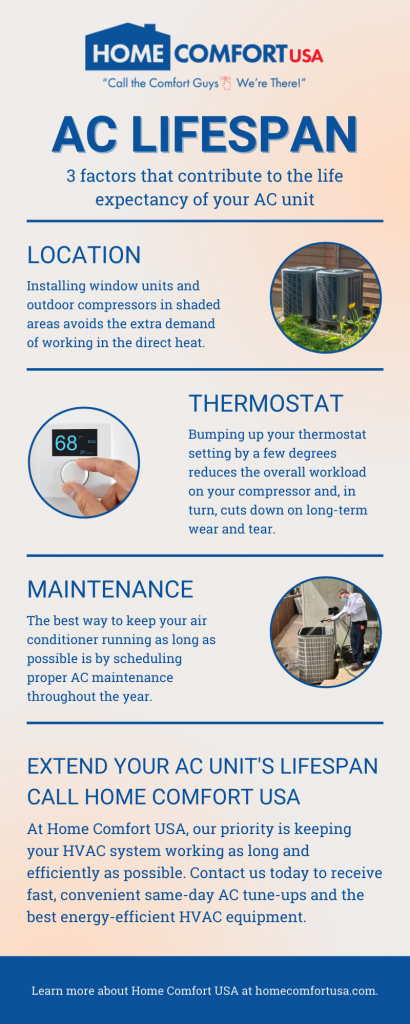
Image Source: www.homecomfortusa.com
AC Compressor Lifespan: How Long Does An Air Conditioner Compressor Last?
An air conditioner compressor typically lasts between 10 to 15 years, though this can vary. If you’re wondering how long your AC unit’s heart will beat, you’re in the right place. The AC compressor is the workhorse of your cooling system. It pumps refrigerant through the air conditioner, allowing it to cool your home. Many things affect how long AC compressors last, and knowing these can help you get the most out of your unit.
The air conditioner compressor life expectancy is a crucial factor when considering the overall air conditioner lifespan. A well-maintained compressor can contribute significantly to the longevity of your entire system. Conversely, a failing compressor often signals the need for a major repair or replacement of the entire AC unit. This guide will delve deep into the factors influencing how long do HVAC compressors last, the tell-tale signs of a failing compressor, and what you can do to extend its life.
Factors Affecting AC Compressor Life
Several elements play a significant role in determining how long your AC compressor will serve you faithfully. Think of it like caring for any vital component; the more attention it receives, the longer it tends to perform.
Usage Patterns and Climate
- Frequent Cycling: Air conditioners that frequently turn on and off (short-cycling) put more stress on the compressor. This often happens when a unit is oversized for the space it’s cooling or when the thermostat is set to very low temperatures.
- Extreme Climates: Homes in areas with very hot summers or very cold winters, requiring the AC to run for extended periods, will generally see a shorter compressor lifespan compared to those in milder climates. The constant strain of working overtime can accelerate wear and tear.
- Humidity Levels: High humidity means the AC has to work harder to remove moisture from the air, which can also impact compressor performance and longevity.
Installation and Maintenance
- Proper Sizing: An AC unit that is too large or too small for your home can lead to inefficient operation and increased stress on the compressor. Professional installation ensures the unit is correctly sized for optimal performance.
- Regular Maintenance: This is perhaps the most critical factor. Just like your car needs oil changes, your AC needs regular check-ups. This includes cleaning coils, checking refrigerant levels, and ensuring proper airflow. Neglecting maintenance is a fast track to premature compressor failure.
- Quality of Installation: A poorly installed system can lead to numerous problems, including refrigerant leaks and improper electrical connections, all of which can negatively impact the compressor.
Environmental Conditions
- Corrosive Environments: If your AC unit is located near the coast, salt in the air can cause corrosion on the compressor’s components, leading to premature failure. Similarly, industrial areas with pollutants can also pose a risk.
- Vibration and Shocks: While designed to be robust, extreme vibrations or physical shocks to the outdoor unit can damage the compressor’s internal workings.
Manufacturing Quality and Type of Compressor
- Brand Reputation: Some manufacturers have a better track record for producing durable compressors than others. Researching brands and their reliability can be beneficial.
- Type of Compressor:
- Reciprocating Compressors: These are older, more common types. They can be robust but are generally less energy-efficient and can be noisier.
- Scroll Compressors: These are more modern and energy-efficient. They have fewer moving parts, which can lead to greater residential AC compressor durability and quieter operation. They are generally considered more reliable for home use.
- Rotary Compressors: Less common in residential settings, these are often found in smaller AC units or commercial applications.
- Variable-Speed Compressors: These are the most advanced and energy-efficient. They can adjust their speed based on cooling needs, leading to less wear and tear and potentially longer lifespans, though their complexity can also be a factor. Commercial HVAC compressor longevity often benefits from these advanced types due to the demands placed on them.
Signs of a Failing AC Compressor
Recognizing the early warning signs of a failing AC compressor can save you from a complete system breakdown and the associated high costs. Acting quickly can sometimes prevent more extensive damage.
Performance Issues
- Reduced Cooling Efficiency: If your home isn’t getting as cool as it used to, or if it takes much longer to reach the desired temperature, the compressor might be struggling. This is often one of the first indicators.
- AC Cycles On and Off Rapidly (Short-Cycling): As mentioned earlier, this is a sign of stress. The compressor might be overheating or having trouble maintaining pressure.
- Warm Air Blowing: If your AC is running but blowing warm air, it’s a strong indication that the refrigerant isn’t being circulated properly, a primary job of the compressor.
- Increased Energy Bills: When a compressor is working harder or inefficiently, it consumes more energy. A sudden spike in your electricity bill, with no other explanation, could point to a compressor issue.
Strange Noises and Smells
- Grinding or Scraping Noises: These sounds often indicate internal mechanical problems within the compressor, such as worn-out bearings or damaged pistons.
- Banging or Knocking Sounds: This can be a more severe sign, suggesting internal components are loose or have failed.
- Buzzing or Humming: While some humming is normal, a persistent, loud buzzing or humming sound can indicate an electrical problem with the compressor motor or starting components.
- Burning Smells: A burning smell, especially an electrical or acrid odor, could signify that the compressor motor is overheating or that there’s an electrical short. This requires immediate attention.
Electrical and Operational Problems
- Compressor Won’t Turn On: If the AC unit is running, but the outdoor compressor unit isn’t engaging, it could be an electrical issue, a faulty capacitor, or a complete compressor failure.
- Frequent Tripped Breakers: The compressor draws a lot of power. If it’s struggling, it can cause circuit breakers to trip repeatedly.
Extending AC Compressor Life
Proactive care is key to maximizing the AC compressor lifespan. By following a few simple practices, you can help ensure your compressor runs smoothly for years to come.
Regular Professional Maintenance
- Annual Tune-Ups: Schedule a professional inspection and tune-up for your AC unit at least once a year, ideally before the peak cooling season. Technicians will check refrigerant levels, clean coils, inspect electrical connections, lubricate moving parts, and test the compressor’s performance.
- Filter Changes: Regularly replace or clean your air filters. Dirty filters restrict airflow, making the entire system, including the compressor, work harder. This is a simple yet highly effective maintenance step you can do yourself.
Proper Usage Habits
- Set Thermostat Wisely: Avoid drastic temperature changes. Set your thermostat to a comfortable, consistent temperature and use programmable thermostats to make gradual adjustments.
- Ensure Proper Airflow: Keep outdoor unit clear of debris, leaves, and shrubbery. Ensure indoor vents are not blocked by furniture or drapes. Good airflow allows the system to operate more efficiently and reduces strain on the compressor.
- Avoid Short-Cycling: If you notice your AC cycling on and off too frequently, have it inspected by a professional. It could be an issue with unit sizing or thermostat settings.
Addressing Issues Promptly
- Listen for Unusual Noises: Don’t ignore strange sounds coming from your AC unit. A prompt diagnosis can often prevent minor issues from escalating into major compressor damage.
- Monitor Performance: Pay attention to how well your AC cools your home and your energy bills. Any noticeable changes warrant a professional inspection.
The Cost of Compressor Replacement
When a compressor fails, it’s often a significant repair. The compressor replacement cost is a major component of AC repair bills. This is because the compressor is the most expensive part of an air conditioning system.
What Goes into the Cost?
The price of replacing an AC compressor can range widely, typically from $1,500 to $4,000 or more. This cost is influenced by several factors:
- Type of Compressor: Scroll compressors and variable-speed compressors are generally more expensive than older reciprocating models.
- Brand and Model of AC Unit: Different manufacturers have different pricing for their parts.
- Labor Costs: HVAC technician rates vary by region and the complexity of the installation.
- Additional Parts: Sometimes, other components like capacitors, contactors, or even the refrigerant line set may need to be replaced along with the compressor, adding to the overall cost.
- Warranty: If your AC unit is still under warranty, the compressor replacement might be covered, significantly reducing your out-of-pocket expenses.
When is Replacement More Sensible?
Given the high cost of compressor replacement, homeowners often face a difficult decision: repair or replace the entire AC unit?
- Age of the Unit: If your air conditioner is already 10-15 years old, and the compressor fails, it might be more cost-effective in the long run to replace the entire unit. Newer AC systems are significantly more energy-efficient and may offer better warranties.
- Extent of Damage: If the compressor failure is due to a catastrophic event or is part of a larger system failure, replacing the entire unit is often the better choice.
- Energy Efficiency Goals: Newer AC units offer much higher SEER (Seasonal Energy Efficiency Ratio) ratings, leading to lower energy bills. Investing in a new, efficient unit can pay for itself over time through energy savings.
Average AC Compressor Life vs. Air Conditioner Lifespan
It’s important to distinguish between the AC compressor lifespan and the air conditioner lifespan. The compressor is the heart of the AC system, but the lifespan of the entire unit depends on all its components working together.
- Average AC Compressor Life: As stated, typically 10-15 years.
- Average Air Conditioner Lifespan: An entire central air conditioning system generally lasts between 15 to 20 years when properly maintained.
If your compressor fails, and the rest of the system is nearing the end of its projected lifespan, replacing the entire unit is usually the most sensible option. However, if the compressor fails in a relatively new system (e.g., 5-7 years old) that has been well-maintained, replacing just the compressor is often a viable and more economical solution.
Specifics on Residential vs. Commercial Longevity
While the general principles of compressor longevity apply to both residential and commercial systems, there are nuances:
Residential AC Compressor Durability
Residential AC compressor durability is often optimized for comfort and efficiency within a home. Units are typically designed for intermittent use, cycling on and off as needed to maintain a set temperature. This can contribute to a longer lifespan compared to units in continuous operation. However, residential units can be more susceptible to neglect if homeowners aren’t proactive with maintenance.
Commercial HVAC Compressor Longevity
Commercial HVAC compressor longevity is a critical concern for businesses. Commercial systems often run much longer hours, sometimes 24/7, especially in environments like data centers, restaurants, or retail spaces. This continuous operation inherently places more stress on the compressor, potentially leading to a shorter lifespan than what might be seen in a residential setting under similar maintenance conditions.
However, commercial HVAC systems are often designed with more robust components and are typically subject to more rigorous and frequent professional maintenance schedules. This diligence can help to mitigate the effects of heavy usage and ensure commercial HVAC compressor longevity. Furthermore, businesses often invest in higher-quality, more durable compressor types, such as variable-speed units, which can offer better efficiency and longer operational life despite the demanding usage. The cost of downtime and the impact on business operations make maintaining commercial HVAC systems a high priority, often leading to a proactive approach to maintenance that benefits the compressor.
Frequently Asked Questions (FAQ)
Q1: Can I replace just the AC compressor?
A1: Yes, in many cases, you can replace just the AC compressor. However, this is a complex and expensive repair. It’s often recommended to consider replacing the entire AC unit if the system is old or if other major components are showing signs of wear.
Q2: What is the most common cause of AC compressor failure?
A2: The most common causes of AC compressor failure include lack of regular maintenance (dirty coils, low refrigerant), electrical issues (bad capacitors, contactors), overheating due to poor airflow, and general wear and tear over time.
Q3: How can I tell if my AC compressor is bad?
A3: Signs of a bad AC compressor include reduced cooling, warm air from vents, strange noises (grinding, banging, loud buzzing), the compressor not turning on, or increased energy bills.
Q4: Does running the AC at a very low temperature damage the compressor?
A4: Running the AC at extremely low temperatures can cause the compressor to work harder and potentially overheat, leading to premature wear. It also contributes to short-cycling, which is stressful for the compressor.
Q5: What’s the difference between an AC compressor and a condenser?
A5: The compressor is a component within the outdoor unit (the condenser unit). The condenser unit as a whole includes the compressor, condenser coil, fan, and other parts. The compressor’s job is to pressurize the refrigerant, which is a crucial step in the cooling process. The condenser coil and fan then help release heat from the refrigerant into the outside air.
Q6: How much does it cost to replace an AC compressor?
A6: The average compressor replacement cost typically ranges from $1,500 to $4,000 or more, depending on the type of compressor, brand, labor rates, and any additional parts needed.
Q7: If my compressor is out, do I need a new AC unit?
A7: Not necessarily. If your AC unit is relatively new (less than 10 years old) and has been well-maintained, replacing the compressor might be a good option. If the unit is older or has had many previous problems, replacing the entire unit may be more cost-effective in the long run.
By staying informed about your AC compressor and its needs, you can ensure efficient cooling and avoid unexpected, costly breakdowns. Regular maintenance and attentive observation are your best allies in maximizing the life of this vital component.

My name is Carlos Gadd, and I am the creator of AirPurityGuide.com.. With a passion for footwear, I share my experiences, insights, and expertise about shoes. Through my blog, I aim to guide readers in making informed decisions, finding the perfect pair, and enhancing their footwear knowledge. Join me on this journey to explore everything about shoes!