
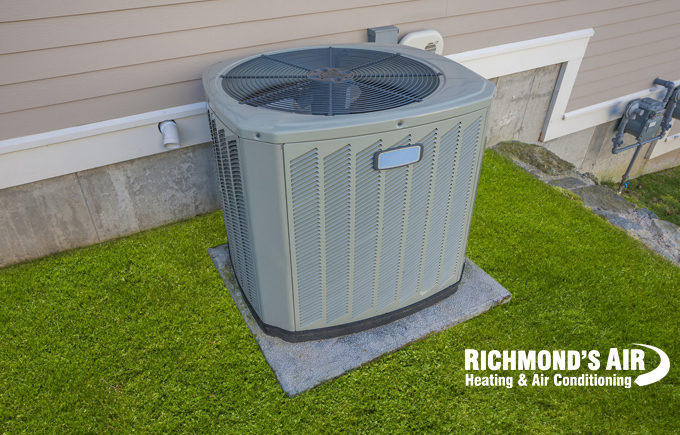
Image Source: www.richmondsair.com
How Long Do Air Conditioners Last In Texas? The Ultimate Guide
What is the average lifespan of an air conditioner in Texas? Typically, you can expect a well-maintained air conditioner in Texas to last between 10 to 15 years. However, this is a broad estimate, and many factors can influence this Texas AC lifespan. This comprehensive guide will delve into what impacts your AC’s longevity and how to maximize it in the Lone Star State.
The Texas Climate’s Toll on Your Cooling System
Texas is known for its extreme weather, and this directly impacts your HVAC system’s durability. The climate impact on AC longevity in Texas is significant. Summers are notoriously hot and humid, forcing your air conditioner to work overtime for extended periods. This constant operation, especially during peak heatwaves, places considerable strain on its components.
Heat Effects on Air Conditioners
The relentless Texas heat is a primary adversary for your AC unit. When temperatures soar, the compressor, the heart of your AC, works harder and runs longer to keep your home cool. This sustained high-volume operation generates more heat within the unit itself, accelerating wear and tear on critical parts like the compressor and fan motor.
- Increased Compressor Strain: The compressor’s job is to circulate refrigerant. High outdoor temperatures mean the refrigerant has to work harder to absorb heat from inside your home and release it outside. This increased workload can lead to overheating and premature failure.
- Evaporator and Condenser Coil Efficiency: High humidity, also common in Texas, adds another layer of challenge. Moisture in the air can lead to coil corrosion over time. Furthermore, dust and debris, which are ever-present, can clog these coils, reducing cooling system efficiency. When coils are dirty, the system has to work even harder to transfer heat, further taxing its components.
- Frequent Cycling: During milder days in spring and fall, or even during hot summer nights when temperatures dip slightly, your AC might cycle on and off more frequently. This constant starting and stopping, known as short-cycling, can be more damaging to the compressor than continuous operation.
Weather-Related AC Wear
Beyond the sheer heat, other weather phenomena in Texas can contribute to AC wear:
- Dust and Sand: West Texas, in particular, can experience dust storms. Even in other regions, airborne dust and sand can accumulate on your outdoor unit’s coils and fan blades, hindering performance and causing strain.
- Heavy Rainfall and Flooding: While less common for direct AC damage, severe thunderstorms can bring heavy rain and potential localized flooding. If your outdoor unit is situated in a low-lying area, it could be susceptible to water damage during extreme weather events.
- Lightning: Direct lightning strikes can fry sensitive electronic components within your AC system. While surge protectors can mitigate some risk, they aren’t always foolproof.
Factors Affecting AC Lifespan in Texas
The factors affecting AC lifespan are numerous and interconnected. While the Texas climate is a major player, other elements contribute to how long your system will efficiently cool your home.
Installation Quality
The initial installation of your HVAC system is paramount to its long-term health.
- Proper Sizing: An AC unit that is too small will run constantly, never reaching the desired temperature, leading to excessive wear. An oversized unit will cycle on and off too frequently (short-cycling), which is also detrimental. Getting the correct size for your home’s square footage and insulation levels is crucial.
- Correct Refrigerant Charge: An improper refrigerant charge (either too much or too little) can significantly impact efficiency and cause component damage.
- Ductwork Integrity: Leaky or poorly insulated ductwork forces your system to work harder to deliver conditioned air, reducing overall efficiency and lifespan.
- Professional Installation: Choosing a reputable and certified HVAC technician for installation ensures the system is set up correctly from the start.
Maintenance Habits
Regular and diligent maintenance is the single most effective way to extend your Texas AC lifespan.
- Regular Filter Changes: This is the simplest yet most impactful maintenance task. Dirty air filters restrict airflow, forcing the blower motor to work harder and reducing overall efficiency. Experts recommend changing or cleaning filters every 1-3 months, depending on the filter type and household conditions (pets, allergies).
- Annual Professional Tune-Ups: Scheduling annual maintenance with an HVAC professional can prevent minor issues from becoming major, costly repairs. During a tune-up, technicians will:
- Clean condenser and evaporator coils.
- Check refrigerant levels.
- Inspect electrical connections.
- Lubricate moving parts.
- Test thermostat operation.
- Clean condensate drain line.
- Ensure proper airflow.
- Keeping the Outdoor Unit Clear: Ensure the area around your outdoor condenser unit is clear of debris, plants, and any obstructions that might impede airflow. This allows the unit to dissipate heat effectively.
Usage Patterns
How you use your air conditioner also plays a role.
- Thermostat Settings: While it’s tempting to crank the thermostat down on scorching days, setting it to a more moderate temperature (e.g., 75-78°F) when you’re home and utilizing a programmable thermostat to raise it when you’re away can significantly reduce runtime and wear.
- Zoning: If your home has distinct temperature needs, consider zoning systems that allow you to control the climate in different areas, preventing the system from overworking to cool unoccupied spaces.
Quality of the Unit
Not all AC units are created equal. The upfront cost can be a predictor of durability and efficiency. Higher-quality units often feature more robust components and better engineering, leading to a longer average AC life Texas.
Common AC Problems in Texas
The demanding Texas environment can lead to specific issues that might shorten an AC’s life if not addressed promptly. These are common AC problems Texas homeowners encounter:
- Refrigerant Leaks: Frequent use in extreme heat can put stress on refrigerant lines, leading to leaks. Low refrigerant levels cause the system to work harder and can damage the compressor.
- Frozen Evaporator Coils: Restricted airflow due to dirty filters or a malfunctioning fan can cause the evaporator coil to freeze, severely impacting cooling and potentially leading to compressor damage.
- Compressor Failure: This is often the most expensive repair. The compressor is vulnerable to overheating, electrical surges, and issues arising from refrigerant imbalance.
- Fan Motor Issues: Both the indoor blower motor and the outdoor condenser fan motor are susceptible to wear and tear from constant operation.
- Capacitor Failures: Capacitors help start the motors. Extreme heat and frequent cycling can cause them to fail.
- Dirty Coils: As mentioned, dust and debris are major culprits in reducing efficiency and causing strain.
- Thermostat Malfunctions: While not directly impacting the AC’s mechanical parts, a faulty thermostat can lead to improper operation, causing the system to run longer than necessary or not at all.
Maximizing Your AC’s Lifespan: Proactive Steps
To ensure your air conditioner provides reliable service for as long as possible in Texas, consider these proactive measures:
Regular Maintenance is Key
- Schedule Annual Check-ups: Treat your AC like your car – regular servicing is essential. Book a professional tune-up before the peak cooling season each year.
- DIY Filter Changes: Make filter replacement a recurring task, perhaps on the first of every month. Keep spare filters on hand.
- Visual Inspections: Periodically check the outdoor unit for debris. Ensure the drain line is clear and water is flowing freely. Listen for any unusual noises.
Smart Usage Habits
- Set It and Forget It (Within Reason): Aim for a consistent, comfortable temperature. Avoid drastic temperature changes throughout the day.
- Utilize Ceiling Fans: Ceiling fans can help circulate cool air, making your home feel cooler. This allows you to set your thermostat a few degrees higher, reducing your AC’s workload.
- Seal Air Leaks: Check windows and doors for drafts. Proper sealing prevents cooled air from escaping and hot air from entering, making your AC more efficient.
- Insulate Your Attic: A well-insulated attic is crucial in Texas to prevent heat from radiating into your living space from the sun-baked roof.
Investing in Quality Components
- High-Efficiency Units: When it’s time for a replacement, consider investing in a higher SEER (Seasonal Energy Efficiency Ratio) rated unit. These units are designed to be more efficient and often use more durable components, contributing to better cooling system efficiency and potentially a longer lifespan.
- Surge Protection: Consider installing a whole-home surge protector to safeguard your sensitive electronic components from power fluctuations and lightning strikes.
Signs Your AC Might Need Replacement
Despite your best efforts, every air conditioner will eventually reach the end of its service life. Recognizing the signs can help you avoid unexpected breakdowns and plan for replacement.
- Frequent and Costly Repairs: If you find yourself calling for repairs multiple times a year, and the repair bills are starting to add up, it might be more economical to replace the unit.
- Decreased Cooling Performance: If your home isn’t cooling as effectively as it used to, or if you notice uneven cooling, it could indicate internal issues.
- Increased Energy Bills: A significant jump in your electricity bills, even with consistent usage, can point to a system that is losing efficiency.
- Old Age: If your unit is approaching or has surpassed the 10-15 year mark, even if it’s working, its efficiency is likely declining, and a breakdown is more probable.
- Strange Noises or Smells: Unusual banging, grinding, or burning smells are clear indicators of a problem that could be severe.
AC Replacement Cost in Texas
When the time comes for an AC replacement, AC replacement cost Texas can vary widely. The price depends on the size of your home, the type of system you choose (central AC, heat pump, ductless mini-split), the efficiency rating (SEER), and the brand.
- Basic Central AC Unit: $3,500 – $6,000
- Mid-Range High-Efficiency Unit: $5,000 – $9,000
- High-End Premium Unit: $7,000 – $12,000+
These figures are estimates and can fluctuate based on the installer, location within Texas, and any additional work required (like ductwork modifications).
The Importance of HVAC System Durability in Texas
The HVAC system durability Texas demands is considerable. Given the prolonged periods of intense heat, a system designed for longevity and efficiency is not just a luxury but a necessity. Investing in quality maintenance and understanding the factors that affect your AC’s lifespan will pay dividends in comfort and savings over the years. A durable system means fewer unexpected breakdowns, lower energy bills, and a consistently comfortable home environment, which is invaluable in the Texan climate.
Frequently Asked Questions (FAQ)
Q: How often should I get my AC serviced in Texas?
A: It’s recommended to have your AC serviced annually by a qualified professional, ideally before the peak cooling season begins in spring.
Q: Can I do any maintenance myself?
A: Yes, the most important DIY maintenance is regularly cleaning or replacing your air filter. You can also keep the area around your outdoor unit clear of debris.
Q: What does SEER rating mean?
A: SEER stands for Seasonal Energy Efficiency Ratio. A higher SEER rating indicates a more energy-efficient unit. For Texas, aiming for a unit with a SEER of 14 or higher is generally recommended.
Q: My AC is blowing warm air. What should I do?
A: First, check if the air filter is dirty and replace it if necessary. Check your thermostat to ensure it’s set correctly. If the problem persists, turn off the AC and call a qualified HVAC technician.
Q: Are inverter AC units better for Texas?
A: Inverter AC units are often more efficient and can offer more consistent cooling. Their ability to adjust their output rather than just cycling on and off can be beneficial in managing the varying demands of the Texas climate, potentially contributing to better cooling system efficiency and longer HVAC system durability Texas.
Q: What happens if I don’t change my air filter regularly?
A: A clogged air filter restricts airflow, forcing your system to work harder. This reduces cooling system efficiency, increases energy consumption, and can lead to component strain, potentially shortening your AC’s lifespan. It can also lead to frozen coils.

My name is Carlos Gadd, and I am the creator of AirPurityGuide.com.. With a passion for footwear, I share my experiences, insights, and expertise about shoes. Through my blog, I aim to guide readers in making informed decisions, finding the perfect pair, and enhancing their footwear knowledge. Join me on this journey to explore everything about shoes!